

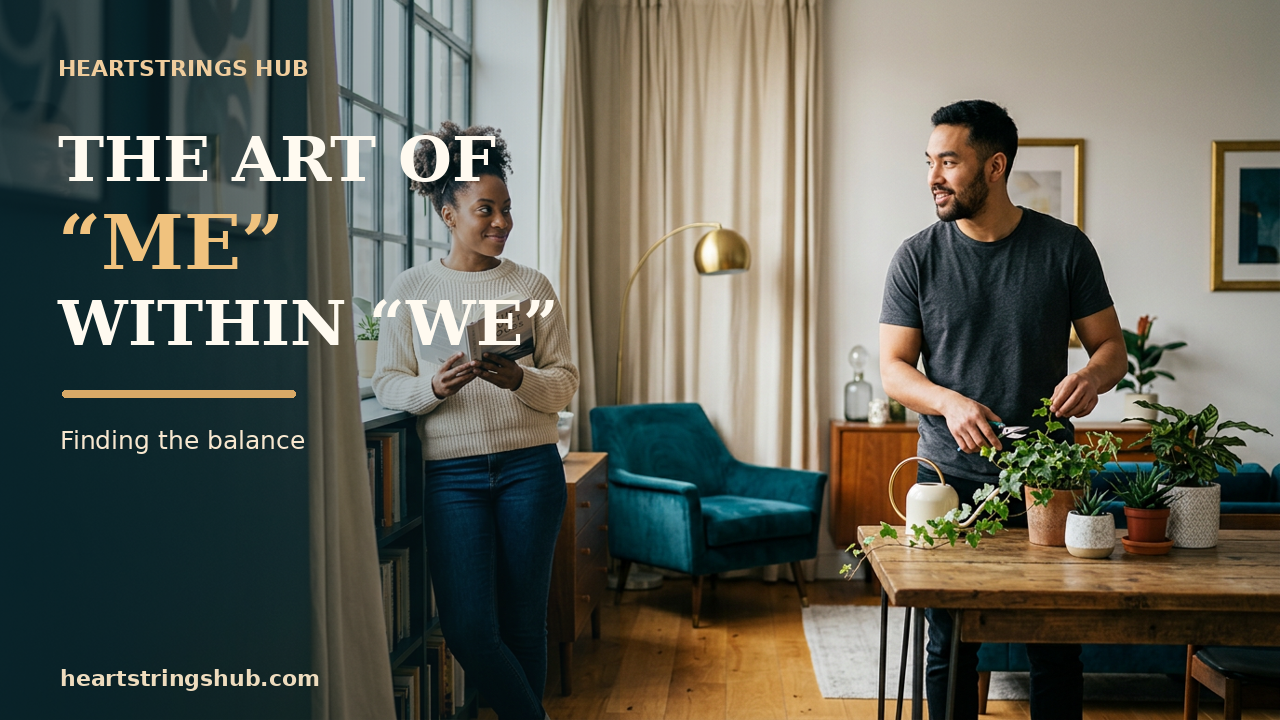
Are you feeling a tug-of-war in your relationship? Do you crave personal space but also cherish the connection with your partner? You’re not alone. Finding the balance: independence within relationships is a common challenge, a delicate dance between individuality and togetherness. This article will explore how to nurture both your personal identity and your romantic bond, creating a healthier, more fulfilling partnership. We’ll delve into practical strategies, explore common pitfalls, and offer actionable advice to help you achieve that sweet spot where “me” and “we” thrive.
Key Takeaways:
- Independence is crucial for a healthy relationship; it prevents codependency and fosters individual growth.
- Open communication is key to defining and respecting each other’s boundaries.
- Shared interests and individual pursuits both contribute to a balanced relationship.
- Compromise and understanding are essential when navigating differing needs for independence.
- Prioritizing self-care and personal passions strengthens the relationship as a whole.
Why Finding the Balance: Independence Within Relationships Matters
Why is this balance so important? Simply put, a relationship without independence can become suffocating. Imagine being constantly tethered to another person, unable to pursue your own interests or spend time alone. It’s a recipe for resentment, burnout, and ultimately, a loss of self.
Furthermore, independence isn’t the opposite of intimacy; it’s a crucial ingredient for it. When you maintain your individuality, you bring fresh perspectives, experiences, and energy to the relationship. You have something unique to offer, something that keeps the connection exciting and dynamic.
Consequently, couples who prioritize individual growth tend to have stronger, more resilient relationships. They’re not relying on each other to fulfill every need, which reduces pressure and allows for a more authentic connection. They are actively “Finding the Balance: Independence Within Relationships”.
The Dangers of Codependency
Codependency, on the other hand, is a relationship dynamic where one or both partners rely excessively on the other for their emotional needs and sense of self-worth. This can manifest in various ways, such as:
- Constantly seeking approval from your partner.
- Sacrificing your own needs to please your partner.
- Feeling responsible for your partner’s emotions and problems.
- Having difficulty making decisions without your partner’s input.
Codependency can create a toxic cycle of dependence and resentment. It stifles individual growth and can lead to feelings of emptiness and dissatisfaction.
If you suspect codependency in your relationship, seeking professional help is crucial.

Defining Independence in Your Relationship
So, how do you define independence within the context of your relationship? It’s not about creating separate lives or avoiding commitment. It’s about carving out space for individual pursuits, maintaining a sense of self, and respecting each other’s boundaries.
However, what does that look like in practice? It’s different for every couple. Some may need more alone time than others. Some may have hobbies or interests that their partner doesn’t share. The key is to have open and honest conversations about your individual needs and expectations.
Therefore, start by asking yourselves these questions:
- What activities or hobbies do I enjoy doing on my own?
- How much alone time do I need to feel refreshed and energized?
- What boundaries do I need to establish to protect my personal space and time?
- What are my partner’s needs and expectations regarding independence?
In addition, understanding each other’s attachment styles can provide valuable insights. For instance, someone with an anxious attachment style may need more reassurance and closeness, while someone with an avoidant attachment style may crave more space and independence. Knowing these tendencies can help you navigate potential conflicts and find a compromise that works for both of you.
Also Read: What Are Attachment Styles and How Do They Shape Your Relationships?
Practical Strategies for Nurturing Independence
Once you’ve defined what independence means to you and your partner, it’s time to put some practical strategies into action. Here are some ideas to get you started:
1. Schedule “Me Time”
Just like you schedule work meetings or social events, schedule time for yourself. This could be anything from reading a book in a quiet corner to taking a yoga class to pursuing a creative project. The important thing is to dedicate that time solely to yourself, without feeling guilty or obligated to attend to your partner’s needs.
Furthermore, communicate your “me time” schedule to your partner so they understand and respect your need for space. Explain that it’s not a reflection of your feelings for them, but rather a way for you to recharge and be a better partner.
2. Encourage Individual Hobbies and Interests
Support each other’s passions, even if you don’t share them. Encourage your partner to pursue their hobbies and interests, and show genuine interest in what they’re doing. This demonstrates that you value their individuality and support their personal growth.
In addition, consider taking up a new hobby or interest yourself. This will not only provide you with a sense of fulfillment but also give you something new to talk about and share with your partner.
3. Maintain Separate Friendships
It’s important to maintain friendships outside of your relationship. Spending time with friends provides a different kind of social connection and can help you feel more grounded and well-rounded.
Consequently, resist the urge to become completely enmeshed with your partner’s social circle. While it’s great to socialize together, it’s also important to have your own friends and social activities.
4. Establish Clear Boundaries
Boundaries are essential for maintaining a healthy sense of self and protecting your personal space and time. These boundaries can be physical, emotional, or mental.
For example, you might establish a boundary around your workspace, so your partner knows not to interrupt you during certain hours. Or you might set a boundary around your phone, so you’re not constantly checking it when you’re spending quality time together.
However, communicating your boundaries clearly and respectfully is crucial. Explain why these boundaries are important to you and how they contribute to your overall well-being.
5. Practice Independent Decision-Making
While it’s important to make joint decisions on matters that affect both of you, it’s also important to retain your ability to make independent decisions. This could be anything from choosing what to wear to deciding how to spend your free time.
Furthermore, trusting your own judgment and making your own choices will boost your confidence and self-esteem.

Navigating Challenges and Conflicts
Even with the best intentions, navigating independence within a relationship can present challenges. Differing needs for space, conflicting schedules, and communication breakdowns can all lead to friction.
Therefore, here are some tips for navigating these challenges:
Communicate Openly and Honestly
Communication is the cornerstone of any healthy relationship, and it’s especially important when navigating issues of independence. Express your needs and concerns clearly and respectfully, and listen actively to your partner’s perspective.
Consequently, avoid making assumptions or bottling up your feelings. The sooner you address potential conflicts, the easier they will be to resolve.
Also Read: Navigating the Uncertainty: How to Communicate Your Needs in a Situationship
Compromise and Flexibility
Finding the balance: independence within relationships often requires compromise and flexibility. Be willing to meet your partner halfway and adjust your expectations as needed.
For instance, if your partner needs more alone time than you do, try to find a compromise that allows them to have that space without making you feel neglected. This may involve scheduling specific times for them to be alone, or finding activities that you can both enjoy independently.
Seek Professional Guidance
If you’re struggling to navigate issues of independence in your relationship, don’t hesitate to seek professional guidance. A therapist or counselor can provide valuable insights and tools to help you communicate more effectively, resolve conflicts, and build a stronger, more balanced relationship.
Furthermore, couples therapy can be a safe and supportive space to explore your individual needs and expectations, and to develop strategies for meeting those needs in a way that strengthens your bond.
The Long-Term Benefits of Independence
While it may take effort and commitment, nurturing independence within your relationship offers significant long-term benefits.
As a result, you’ll experience:
- Increased self-esteem and confidence.
- Reduced feelings of resentment and burnout.
- A stronger, more authentic connection with your partner.
- Improved communication and conflict resolution skills.
- Greater overall happiness and fulfillment.
Ultimately, finding the balance: independence within relationships is an ongoing process, not a destination. It requires continuous effort, communication, and a willingness to adapt and grow together. But the rewards are well worth the investment.
Common Misconceptions About Independence in Relationships
Several misconceptions often cloud the understanding of independence within relationships, leading to unnecessary conflict and misunderstandings.
- 1: Independence means you don’t love your partner:** This is far from the truth. Independence allows you to nurture your sense of self, which ultimately enhances the relationship.
- 2: Needing space means you’re pulling away:** Wanting personal space is a normal human need. It doesn’t necessarily indicate a desire to distance yourself from your partner.
- 3: Doing things separately means you’re growing apart:** Shared experiences are important, but so are individual pursuits. Engaging in separate activities can broaden your horizons and bring new perspectives to the relationship.
- 4: Independence is only for people who are insecure:** Independence is beneficial for everyone, regardless of their level of security. It promotes self-reliance and reduces codependency.
By dispelling these misconceptions, couples can create a more understanding and supportive environment where both partners feel empowered to pursue their individual passions while maintaining a strong and loving connection.
Frequently Asked Questions (FAQs)
How much independence is too much in a relationship?
There’s no magic number. “Too much” independence depends on the couple. If one partner feels neglected, ignored, or like the relationship is secondary, then it’s likely too much. Open communication is key to finding the right balance.
Is it selfish to want alone time in a relationship?
No, it’s not selfish. Everyone needs time to recharge and pursue their own interests. Wanting alone time is a healthy way to maintain your individuality and prevent burnout. It’s only selfish if you’re consistently prioritizing your needs over your partner’s without any compromise.
What if my partner doesn’t understand my need for independence?
Explain your needs clearly and calmly. Help them understand that your desire for independence isn’t a reflection of your feelings for them, but rather a way for you to be a better partner. If they’re still struggling to understand, consider seeking couples counseling.
How can I encourage my partner to pursue their own interests?
Show genuine interest in their passions. Encourage them to sign up for classes, join clubs, or dedicate time to their hobbies. Offer practical support, such as helping with childcare or household chores, so they have more time for themselves. Celebrate their achievements and milestones in their individual pursuits.
Ready to Cultivate a Healthier, More Balanced Relationship?
Take the first step towards a more fulfilling partnership! Download our guide, “The Independence Blueprint,” for actionable tips and strategies to nurture your individuality while strengthening your connection. Click the button below to access your guide and unlock the secrets to a thriving “me” and “we.”