

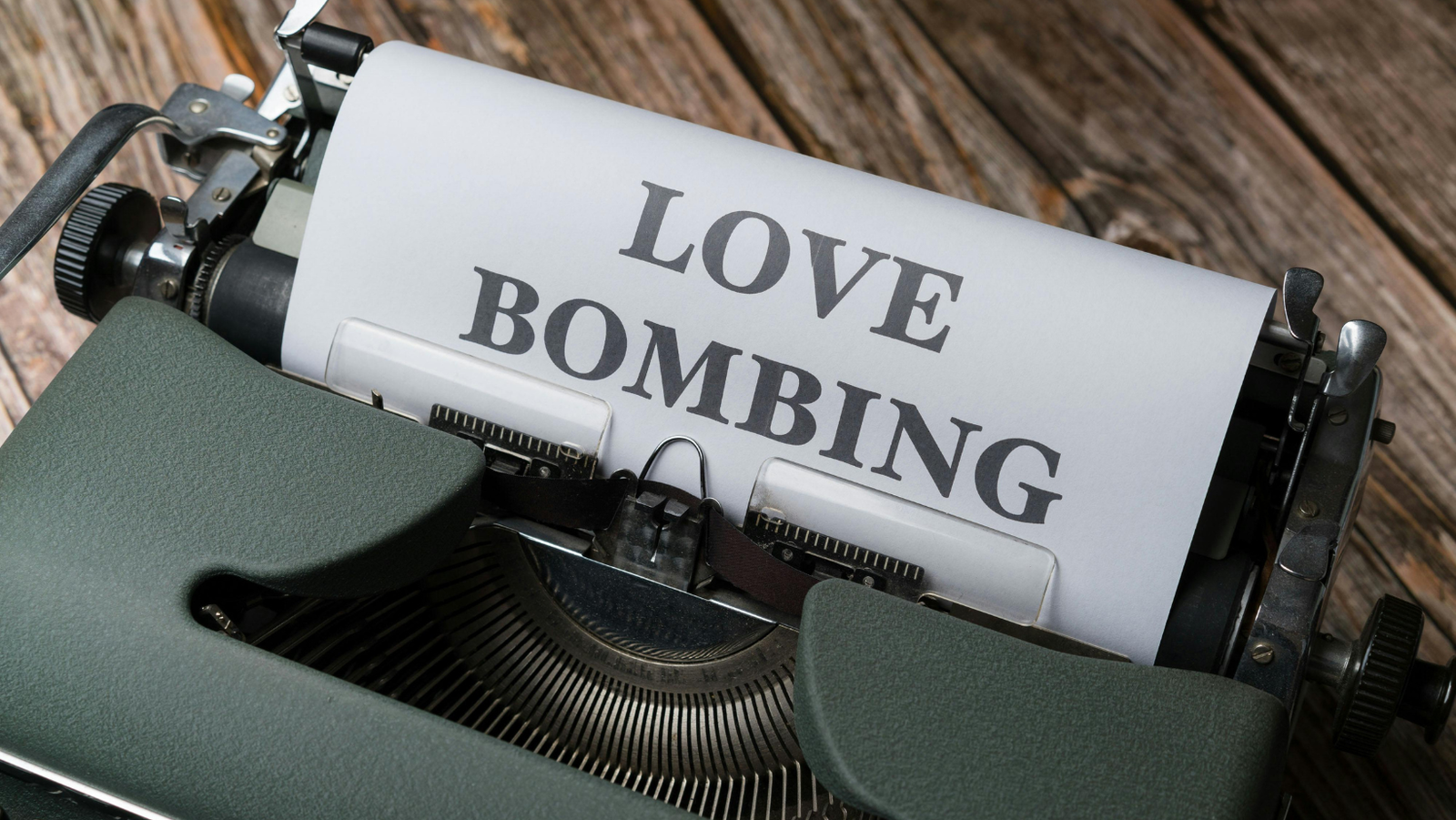
How to Know If Someone Is Love Bombing You
You’ve just met someone new, and suddenly, your phone buzzes nonstop. They’re texting you sweet nothings, planning elaborate dates, calling you “soulmate” after just two weeks—and you’re floating on cloud nine. But wait. Is this real connection… or could this be love bombing? Love bombing is a manipulative tactic where someone showers you with excessive affection, attention, and grand gestures early in a relationship to gain control or influence. It feels amazing at first—but it’s often a red flag disguised as romance. Learning how to recognize the signs can save you from emotional burnout, confusion, and heartbreak down the line.
What Exactly Is Love Bombing?
Love bombing isn’t just enthusiasm—it’s an intense, often overwhelming display of affection that happens too fast, too soon. Unlike healthy romantic interest, which builds gradually, love bombing floods you with compliments, gifts, declarations of love, and constant communication before you’ve even had time to process the relationship.
Think of it like a sugar rush: sweet at first, but followed by a crash. The goal isn’t genuine connection—it’s dependency. Manipulators use love bombing to create an emotional bond so strong that you’re less likely to question their behavior later, especially when criticism, isolation, or control starts creeping in.
This tactic is common in narcissistic relationships, toxic partnerships, and even some cult dynamics. Recognizing it early gives you power—not just to protect your heart, but your sense of self.
Also Read: Unmasking Love: The Hidden Toll of Narcissistic Relationships
7 Clear Signs You’re Being Love Bombed
Not every whirlwind romance is love bombing—but if several of these signs ring true, it’s time to pause and reflect.
1. They Declare Love or Commitment Way Too Soon
“I’ve never felt this way before.” “You’re my forever person.” Sound familiar? If someone is using phrases like “soulmate,” “meant to be,” or “I love you” within days or weeks of meeting, it’s a major red flag. Healthy relationships allow time for trust and intimacy to grow—not declarations that feel more like performances.
2. Constant Communication—Even When You Need Space
They text you first thing in the morning, last thing at night, and multiple times in between. They get upset if you don’t reply instantly. This isn’t care—it’s control disguised as devotion. Real love respects boundaries; love bombing demands constant validation.
3. Grand Gestures Without Knowing You Well
Surprise weekend trips? Expensive gifts after one date? A playlist titled “Our Song” before you’ve even held hands? These gestures feel romantic, but when they come from someone who barely knows your favorite color, it’s performative. It’s about creating dependency, not connection.
4. They Mirror Your Personality—Too Perfectly
They suddenly love all your hobbies, share your political views, and claim the same life goals—even though you just met. This isn’t chemistry; it’s mirroring. Manipulators often mimic your personality to make you feel deeply understood, accelerating emotional intimacy artificially.
5. Isolation Starts Early
They subtly (or not so subtly) discourage you from spending time with friends or family. “Why do you need them when you have me?” or “They don’t get us.” This is a classic tactic to make you rely solely on them for emotional support—making it harder to leave later.
6. Mood Swings and Hot-and-Cold Behavior
One day they’re calling you their everything; the next, they’re distant or critical. This inconsistency keeps you off-balance and eager to “win back” their affection. It’s emotional manipulation 101.
7. They Rush Major Life Decisions
Moving in together after a month? Talking about marriage or kids before you’ve even met each other’s families? When someone pushes big commitments prematurely, it’s often about securing control—not building a future.
Why Do People Use Love Bombing?
Understanding the “why” helps you see it’s not about you—it’s about them. Love bombers often struggle with deep insecurity, fear of abandonment, or a need for control. Some have narcissistic tendencies, using charm to dominate rather than connect.
Others may have learned this behavior from past relationships or trauma. Regardless of the cause, the impact on you is real. The constant praise and attention can trigger dopamine hits similar to addiction, making it hard to walk away—even when your gut says something’s off.
And here’s the kicker: love bombing often precedes emotional abuse. Once the “bombing” phase ends, the real manipulation begins—criticism, guilt-tripping, gaslighting. That’s why catching it early is crucial.
Also Read: The Impact of Silent Treatment on Emotional Intimacy
How to Respond If You Suspect Love Bombing
First, trust your instincts. If something feels too good to be true, it probably is. You don’t need proof—just awareness.
Start by slowing things down. Politely but firmly set boundaries: “I really enjoy talking to you, but I need some space to process this.” Watch how they react. A healthy partner will respect that. A love bomber may guilt-trip you (“After all I’ve done for you?”) or escalate the affection to regain control.
Talk to trusted friends or a therapist. Outside perspectives cut through the emotional fog. Ask yourself: Do I feel safe? Seen? Or just swept off my feet?
And remember: you’re not being “cold” or “ungrateful” for wanting time. You’re being wise.
Also Read: Setting Healthy Boundaries: The Key to Empowering Your Relationships
Real-Life Example: Sarah’s Story
Sarah met Mark at a coffee shop. Within three days, he’d written her a poem, sent flowers to her office, and called her “the missing piece” in his life. She was flattered—until he started showing up uninvited at her gym and getting angry when she canceled plans with friends.
“He said I was pushing him away,” she recalls. “But I just needed normal pace.” After six weeks, the love letters turned into accusations. “You don’t appreciate me.” “No one will love you like I do.” Sarah finally ended it—but not before feeling emotionally drained.
Her story isn’t rare. Love bombing thrives on speed and intensity, making victims doubt their own judgment. But recognizing the pattern helped her heal and set healthier standards.
Books to Help You Understand and Heal
If you’re navigating a love-bombing situation—or recovering from one—these books offer clarity, validation, and tools for rebuilding self-trust:
- The Gaslight Effect by Robin Stern – The go-to book on emotional manipulation because it names the invisible tactic of gaslighting and shows exactly how it erodes your self-trust. Stern explains how manipulators twist your reality—and gives clear, compassionate steps to spot the signs, reclaim your voice, and break free.
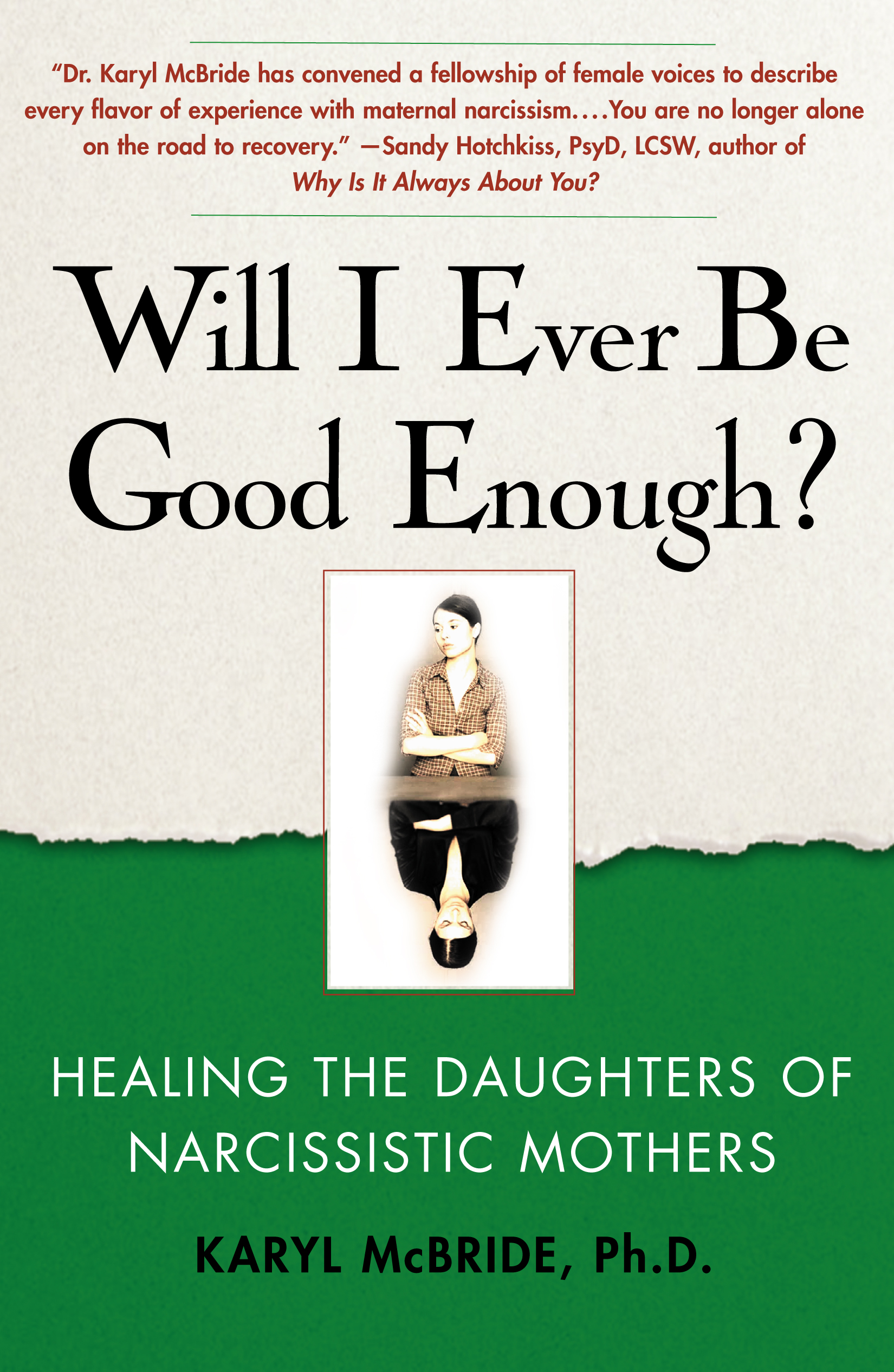
- Will I Ever Be Good Enough? by Dr. Karyl McBride – Focuses on healing from narcissistic relationships. is a lifeline for adult daughters raised by narcissistic mothers, and it stands out because it finally validates a deeply isolating experience that’s rarely discussed with clinical precision. The book unpacks how maternal narcissism warps a child’s sense of self-worth, leaving behind chronic people-pleasing, guilt, and that exhausting inner question of whether you’ll ever measure up. McBride earns her top spot by blending research with real-world case studies, then guiding readers through a structured recovery path that moves you from survival mode into genuine self-compassion, emotional independence, and healthier relationship patterns.
- The Narcissist Next Door by Richard Grannon – Straight-talking and practical—this book skips theory and teaches you how to spot narcissistic behavior fast and protect your energy. Grannon gives real-world scripts and boundaries so you stop reacting and start thriving.
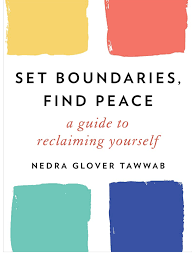
- Set Boundaries, Find Peace by Nedra Glover Tawwab – The simplest, most usable guide to boundaries that actually stick. Tawwab cuts through guilt with clear examples and ready-to-use phrases, helping you say no without apology and create healthier relationships—fast.
- The Body Keeps the Score by Bessel van der Kolk – Helps understand how trauma (including emotional manipulation) affects the body and mind. The landmark book that changed how we see trauma. Van der Kolk shows how trauma lives in the body—not just the mind—and blends science with hope, offering proven paths (therapy, movement, connection) to heal and feel whole again.

Key Takeaways
- Love bombing feels like intense romance but is actually a manipulation tactic.
- Signs include premature declarations of love, constant contact, grand gestures, and isolation attempts.
- It often precedes emotional abuse—recognizing it early protects your well-being.
- Setting boundaries and seeking outside support are critical steps.
- Healing is possible with self-awareness, therapy, and education.
FAQ: Common Questions About Love Bombing
How can I tell if it’s real love or just love bombing?
Real love grows slowly, respects your boundaries, and includes mutual vulnerability. Love bombing is fast, overwhelming, and often one-sided in emotional labor. Ask: Do I feel calm or anxious around this person?
Can someone love bomb unintentionally?
Rarely. While some people move fast due to excitement or past trauma, true love bombing involves patterns of control and manipulation. If they resist slowing down or dismiss your concerns, it’s likely intentional.
What should I do if I’ve been love bombed?
Give yourself time and space. Journal your feelings, talk to a therapist, and reconnect with friends. Rebuilding self-trust is key—you’re not “too sensitive” for wanting respect.
Is love bombing always part of a narcissistic relationship?
Not always, but it’s common. Narcissists use love bombing to secure supply (attention, admiration). However, others with insecure attachment styles may mimic the behavior without full awareness.
Can a love-bombed relationship ever become healthy?
Only if both people acknowledge the pattern, commit to therapy, and rebuild with honesty and patience. But often, the foundation is too unstable. Your peace matters more than fixing a toxic dynamic.
Final Thoughts
Love shouldn’t feel like a whirlwind you’re barely surviving. It should feel like coming home—safe, steady, and real. If someone’s affection feels more like a performance than a partnership, listen to that quiet voice inside. It’s not cynicism—it’s self-protection.
You deserve a love that builds slowly, respects your pace, and values you for who you are—not who they want you to be. And knowing how to spot love bombing? That’s not just smart. It’s self-love in action.





Comments 2