


Understanding Anxious Attachment: The Roots and Remedies of Relationship Anxiety
I remember lying awake at 2 AM analyzing a text message for the hundredth time. My partner had said “talk tomorrow” instead of “goodnight, love you.” That small change sent me spiraling into panic. Did they not love me anymore? Were they losing interest? Was this the beginning of the end? Looking back, I can see how exhausting my anxious attachment style must have been, not just for me but for everyone I dated.
If you’re constantly worried about being abandoned, obsessively checking your phone for messages, or feeling like you need constant reassurance that your partner still cares, you’re likely dealing with anxious attachment in relationships. This pattern isn’t your fault, and it definitely doesn’t mean you’re broken or unlovable. But understanding where it comes from and learning practical ways to heal can transform not just your relationships but your entire sense of self.
The roots of relationship anxiety run deep, usually stretching back to childhood experiences that taught you love is unpredictable and you have to work hard to earn it. But here’s the good news: attachment patterns aren’t permanent. You can rewire these responses with awareness, patience, and the right strategies.
Also Read: Dating Red Flags: Early Warnings and How to Recognize Them
What Anxious Attachment Actually Looks Like
Before we dive into where this pattern comes from, let’s get clear on what we’re actually talking about. Anxious attachment isn’t just occasionally worrying about your relationship. It’s a persistent pattern of fear and hypervigilance that shows up across multiple relationships and situations.
People with anxious attachment tend to crave closeness but simultaneously fear it won’t last. You might find yourself constantly seeking reassurance from your partner, interpreting neutral behavior as rejection, or feeling like you love more intensely than you’re loved in return. Sound familiar?
A 2024 study from the University of California found that approximately 20% of adults display predominantly anxious attachment patterns, with another 30% showing anxious tendencies in specific relationship contexts (Source: UC Berkeley Attachment Research Lab, 2024). That means if you’re reading this and recognizing yourself, you’re far from alone in this experience.
Here’s what this often looks like in everyday life. You send a thoughtful message and your partner doesn’t respond for three hours. Instead of thinking “they’re probably busy,” your mind immediately goes to worst case scenarios. They’re annoyed with you. They’re talking to someone else. They’re pulling away. By the time they respond with a perfectly normal message, you’ve already mentally ended the relationship five times.
Or maybe it shows up like this: things are going really well in your relationship, but instead of enjoying that, you’re waiting for the other shoe to drop. You can’t fully relax into happiness because part of you is always braced for the inevitable moment when they realize you’re not worth staying for.
Does any of this resonate deeply? That tightness in your chest when someone doesn’t text back immediately? The overwhelming need to know where you stand at all times? That’s anxious attachment speaking, and it developed for very real reasons we need to understand.
The Childhood Roots of Anxious Attachment
Most anxious attachment patterns trace back to inconsistent caregiving in early childhood. I’m not talking about abuse or extreme neglect necessarily. Often it’s more subtle than that, but the impact runs just as deep.
When Love Felt Unpredictable
Maybe you had a parent who was warm and attentive sometimes but distant or unavailable at other times, and you never quite knew which version you’d get. Perhaps they were dealing with depression, addiction, or their own relationship problems, and their ability to be present for you fluctuated wildly based on their emotional state.
As a child, you learned that connection wasn’t reliable. Love was there and then it wasn’t, with no clear pattern you could predict or control. So you developed hypervigilance, constantly monitoring for signs of withdrawal or rejection so you could try to prevent abandonment before it happened.
One woman I know described her mother as “there but not there.” Physically present but emotionally checked out, scrolling her phone or lost in her own world. When her daughter tried to connect, sometimes she’d get warm engagement and other times she’d get irritation or dismissal. That inconsistency taught her that she had to work hard to capture and maintain her mother’s attention and affection.
Also Read: Mastering emotional detachment strategies for peaceful disengagement
The High Achieving Approval Seeker
Another common origin story involves conditional love tied to achievement or behavior. Your parents praised and showed affection when you performed well, got good grades, or behaved perfectly. But when you struggled, made mistakes, or had needs that felt inconvenient, affection was withdrawn.
This teaches a child that love must be earned through performance. You’re not inherently worthy of love just for existing. You have to constantly prove your value, and any slip might result in the withdrawal of affection you desperately need.
I see this pattern constantly in adults who grew up as “the good kid.” They learned early that their worth was tied to making others happy and meeting expectations. In adult relationships, this translates to constantly trying to be perfect, anticipating their partner’s needs, and terrified of making any mistake that might cause rejection.
Early Loss or Separation
Sometimes anxious attachment develops from actual loss or separation during critical developmental periods. A parent’s death, divorce, extended hospitalization, or even necessary separations like military deployment can create deep seated fear of abandonment.
Even if the separation was unavoidable and no one’s fault, a young child’s brain doesn’t understand nuance. It just knows that someone they depended on disappeared, and that primal fear of being left alone gets encoded into their attachment system.
One friend developed anxious attachment after her father left when she was four. Her mother, dealing with her own grief and suddenly single parenting, became emotionally unavailable. My friend learned that people you love can vanish without warning, and she spent the next thirty years unconsciously trying to prevent that from happening again by clinging tightly to anyone who showed her affection.

How Anxious Attachment Sabotages Adult Relationships
Understanding where your anxious attachment comes from is important, but recognizing how it shows up in your current relationships is equally crucial. These patterns feel protective in the moment but ultimately push away the very connection you’re desperately seeking.
The Reassurance Trap
You need to hear that your partner loves you. Multiple times a day. If they don’t say it enough or in the right way, anxiety spirals. So you ask directly: “Do you still love me?” “Are we okay?” “You’re not mad at me, right?”
At first, most partners will offer reassurance willingly. But here’s the problem: no amount of reassurance actually soothes the underlying anxiety because the anxiety isn’t about the current relationship. It’s about old wounds that haven’t healed.
So you need more reassurance. And more. Eventually, your partner feels exhausted from constantly having to prove their feelings. What started as them happily saying “I love you” becomes them feeling interrogated and doubted. The reassurance seeking that was meant to secure the relationship actually creates distance and resentment.
I did this in a relationship for almost a year before my partner finally said, “I tell you I love you ten times a day and it’s never enough. What would be enough?” That question stopped me cold because I realized the answer was nothing external would be enough until I addressed what was happening internally.
Protest Behavior When Needs Aren’t Met
When someone with anxious attachment feels ignored or their connection needs aren’t being met, they often engage in what psychologists call protest behavior. This is any action designed to get your partner’s attention and re engage them, but it usually backfires spectacularly.
Protest behavior might look like sending multiple texts when they don’t respond to the first one. Or picking fights about small things when what you really need is reassurance of their love. Or making passive aggressive comments about how they never have time for you. Or even threatening to end the relationship to see if they’ll fight for you.
These behaviors come from panic. You’re drowning in fear of abandonment and you’re desperately trying to get your partner to throw you a life preserver. But instead of inspiring connection, these tactics usually push people away or make them feel manipulated.
I once broke up with someone I cared about because I felt anxious about how much I liked them. That’s protest behavior in its most self sabotaging form. I created the rejection I was terrified of experiencing because at least that gave me control over the timing. The pain I inflicted on both of us was completely unnecessary and came directly from my unhealed attachment wounds.
The Mind Reading Expectation
People with anxious attachment often believe that if their partner truly loved them, they’d instinctively know what they need without being told. You shouldn’t have to ask for affection or quality time or reassurance. If you have to ask, it doesn’t count.
This expectation is completely unfair but feels totally justified when you’re in anxious mode. After all, you’re hyperaware of your partner’s moods and needs. You notice every shift in their tone or energy. You anticipate what they want before they ask. Why can’t they do the same for you?
The reality is that most people aren’t mind readers, and expecting them to be sets everyone up for failure. Your partner can love you deeply and still not intuitively know that you need extra affection today because you’re feeling insecure about something that happened at work. You have to communicate your needs clearly rather than testing whether they’ll magically figure it out.
Healing Anxious Attachment: Practical Strategies That Work
Here’s where we get into the real work. Understanding your anxious attachment is step one. Changing these deeply ingrained patterns is the harder but absolutely possible next step.
Building a Secure Base Within Yourself
The core issue with anxious attachment is that you’re outsourcing your sense of safety and worth to external validation from others. The solution, though it sounds impossible at first, is learning to provide that security for yourself.
This doesn’t mean you stop needing or wanting love from others. Humans are wired for connection. But it means developing what’s called an internal secure base, a sense that you’re okay regardless of someone else’s behavior or feelings toward you in any given moment.
Start with self compassion practices. When anxiety arises, instead of immediately reaching for your phone to text your partner, pause and talk to yourself the way you’d talk to a scared child. “I know you’re feeling worried right now. That makes sense given your history. But you’re safe. This feeling will pass. You’re worthy of love even if this specific relationship doesn’t work out.”
This felt ridiculous to me at first. Self talk seemed like weak sauce compared to getting actual reassurance from my partner. But over time, I found that soothing my own anxiety even slightly before seeking external reassurance made me less desperate and more able to communicate my needs calmly rather than from a place of panic.
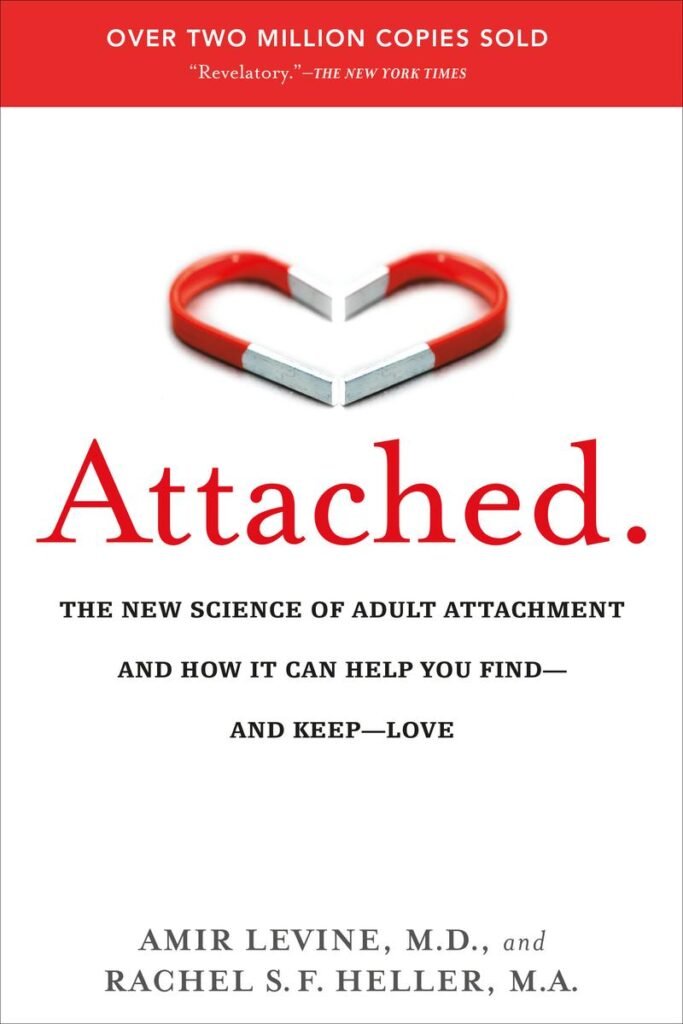
Recommended Reading: “Attached: The New Science of Adult Attachment” by Amir Levine and Rachel Heller offers an accessible introduction to attachment theory with practical relationship advice.
Practicing Distress Tolerance
Much of anxious attachment involves an inability to sit with uncomfortable feelings. The moment anxiety arises, you need to do something, anything, to make it stop. Usually that something involves seeking reassurance or creating connection with your partner, even if the timing is inappropriate or the method is counterproductive.
Learning distress tolerance means developing the capacity to feel uncomfortable emotions without immediately reacting to them. You notice the anxiety, you acknowledge it’s uncomfortable, and you don’t let it control your behavior.
Concrete techniques help here. When you feel the urge to send that third unanswered text or pick a fight to get attention, try the five four three two one grounding technique instead. Name five things you can see, four you can touch, three you can hear, two you can smell, and one you can taste. This pulls you out of the anxiety spiral and into present moment awareness.
Or practice the 20 minute rule. When anxiety tells you to immediately reach out for reassurance, commit to waiting 20 minutes first. During that time, do something physically active. Walk, stretch, dance, clean something. Movement helps discharge the anxious energy and often by the time 20 minutes passes, the urgent quality of the anxiety has decreased.
I’m not saying the anxiety disappears entirely. But there’s a huge difference between texting from a place of absolute panic versus texting after you’ve given yourself time to regulate. The latter leads to communication that strengthens relationships rather than straining them.
Communicating Needs Directly and Calmly
Instead of expecting your partner to read your mind or using protest behavior to get their attention, practice stating your needs clearly and without blame. This is harder than it sounds because vulnerability feels terrifying when you’re anxiously attached.
The formula that works best is: “I’m feeling [emotion] and what I need is [specific request].” Notice this doesn’t include accusations about what they’re doing wrong or dramatic statements about how they don’t care about you.
For example: “I’m feeling disconnected and I need some one on one time with you. Can we plan a date night this week?” That’s so much more effective than “You never want to spend time with me anymore” or sulking until they notice something is wrong.
Or: “I’m feeling anxious today for reasons that aren’t about you. Could I get a hug?” That’s vulnerable and clear without making them responsible for your emotional state.
This level of direct communication requires you to know what you’re feeling and what you actually need, which anxiously attached people often struggle with. You just know you feel bad and you need something from your partner to feel better. Learning to pause, identify the specific emotion, and determine what would genuinely help is a skill that develops with practice.
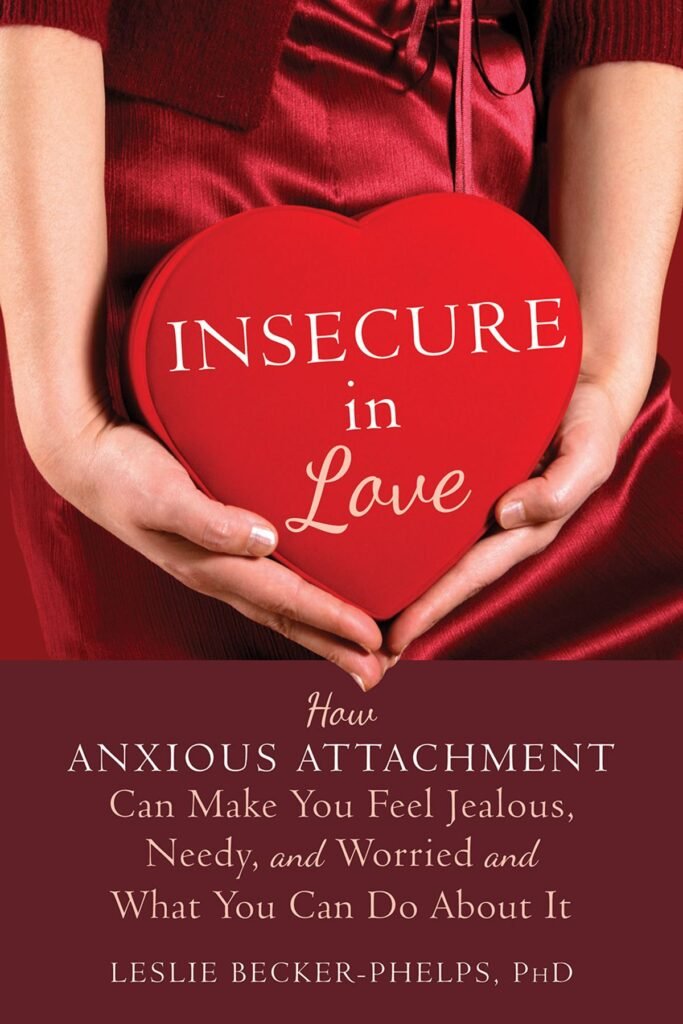
Recommended Reading: “Insecure in Love: How Anxious Attachment Can Make You Feel Jealous, Needy, and Worried” by Leslie Becker Phelps provides targeted strategies for those with anxious attachment patterns.
Choosing Partners Who Can Meet You Halfway
Here’s an uncomfortable truth: people with anxious attachment are often drawn to people with avoidant attachment. The classic anxious avoidant trap where one person’s pursuit triggers the other person’s retreat, which triggers more pursuit, which triggers more retreat.
Part of healing anxious attachment involves recognizing this pattern and consciously choosing partners who are securely attached or working toward security. Someone who can reassure you when you need it without feeling suffocated. Someone who can give you space to work on yourself without disappearing. Someone who communicates clearly rather than shutting down.
This doesn’t mean only dating perfect people. It means noticing when someone’s attachment style is triggering your worst patterns and having the courage to walk away even if the chemistry is intense. Hot and cold dynamics might feel exciting in the moment, but they reinforce your anxious patterns rather than helping you heal.
I had to end a relationship with someone I was incredibly attracted to because I could see clearly that his avoidant tendencies and my anxious tendencies were creating a toxic cycle. Choosing to walk away from that and later date someone more securely attached was one of the best decisions I made for my healing journey.
Working With a Therapist on Attachment Healing
While self help strategies are valuable, working with a therapist who specializes in attachment issues can accelerate your healing significantly. They provide the consistent, attuned presence that your childhood self needed but didn’t receive, which helps create new neural pathways for what secure attachment feels like.
Look for therapists trained in attachment focused therapy, emotionally focused therapy (EFT), or schema therapy. These approaches specifically target the deep patterns formed in early relationships and help you develop earned security, which is the term for people who started with insecure attachment but developed security through healing work.
Therapy provides a safe space to practice vulnerability, express needs, and experience consistent attunement without fear of abandonment. Over time, this relationship with your therapist becomes a template for how healthy relationships can function, which you can then apply to romantic partnerships, friendships, and even professional relationships.
I resisted therapy for years because I thought I should be able to fix this myself through willpower and reading. Finally starting therapy specifically for attachment issues was transformative in ways I couldn’t have achieved alone. Having someone consistently show up, remember details about my life, and care about my wellbeing without me having to earn it slowly rewired my expectations about relationships.
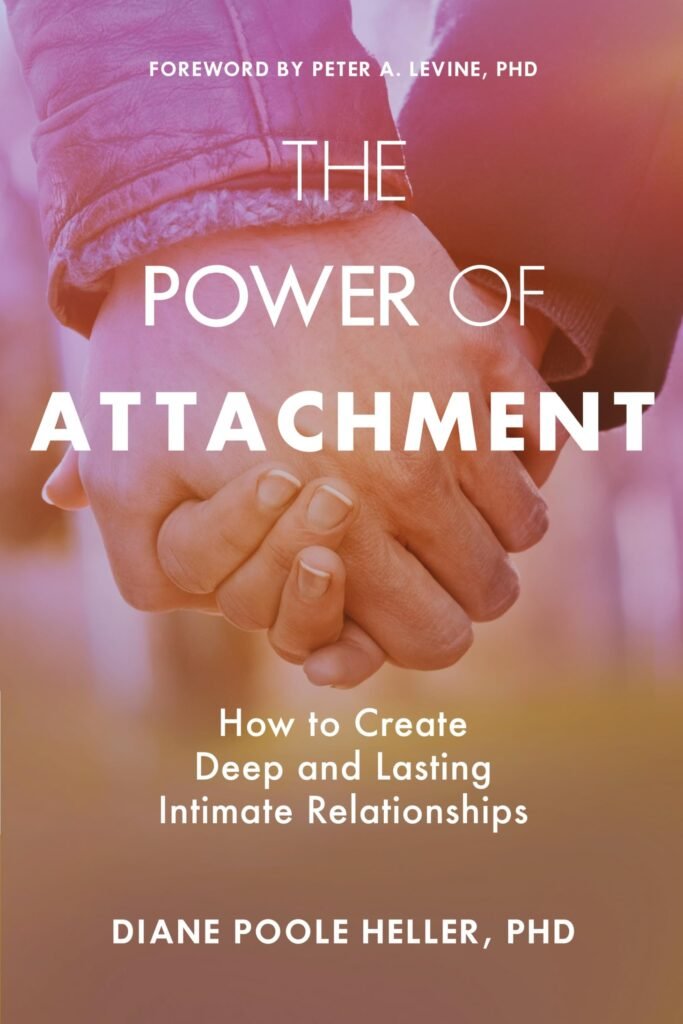
Recommended Reading: “The Power of Attachment: How to Create Deep and Lasting Intimate Relationships” by Diane Poole Heller offers both explanation and practical exercises for healing insecure attachment.
Building New Relationship Patterns
As you work on healing, you’ll start noticing shifts in how you show up in relationships. The changes might be subtle at first, but they compound over time into fundamentally different relationship experiences.
Trusting Without Constant Verification
One of the biggest shifts is learning to trust that your partner’s love is stable even when you’re not actively receiving proof of it. They can be busy at work, focused on a project, or just having a quiet internal day without it meaning anything about their feelings for you.
This doesn’t happen overnight. You practice it in small increments. Your partner doesn’t text for four hours and instead of spiraling, you remind yourself “they’re probably just busy. My worth isn’t determined by their texting speed.” The anxiety might still arise, but you don’t let it control your behavior.
Over time, these small practices build evidence that the catastrophic outcomes you fear don’t actually happen most of the time. Your partner doesn’t respond immediately and the relationship continues just fine. You express a need and they don’t leave. You make a mistake and they still love you. This accumulated evidence slowly rewires your nervous system.
Enjoying Solitude Instead of Fearing It
Anxiously attached people often struggle with being alone because solitude feels like abandonment. Time apart from your partner triggers anxiety rather than feeling like healthy space for individual growth.
Healing involves reclaiming solitude as nourishing rather than threatening. You start to develop hobbies, friendships, and interests that fulfill you independent of romantic relationship. You build a life that feels satisfying on its own rather than a life organized around waiting for your partner’s attention.
This takes intentional practice. Instead of filling every moment of alone time with anxious thoughts about your relationship, you schedule specific activities that engage your mind and bring you joy. You make plans with friends. You take yourself on solo dates. You invest in creative projects or learning new skills.
As your life becomes fuller independent of your relationship, you naturally become less anxious about the relationship because it’s no longer carrying the impossible burden of being your only source of happiness and meaning.
Weathering Conflict Without Catastrophizing
Conflict used to feel like the beginning of the end. Any disagreement meant your partner was going to leave. Any criticism felt like total rejection. This made it nearly impossible to address real issues in relationships because bringing up problems felt too terrifying.
Healing means learning that healthy relationships include disagreements and that conflict can actually deepen intimacy when handled well. You can be upset with your partner about something and still love them. They can express frustration with you without it meaning the relationship is over.
This requires repetition and evidence building. You have a disagreement, work through it, and the relationship not only survives but often feels closer afterward. That experience contradicts the anxious attachment story that conflict equals abandonment. Do this enough times and a new story starts to form: conflict equals opportunity for deeper understanding.
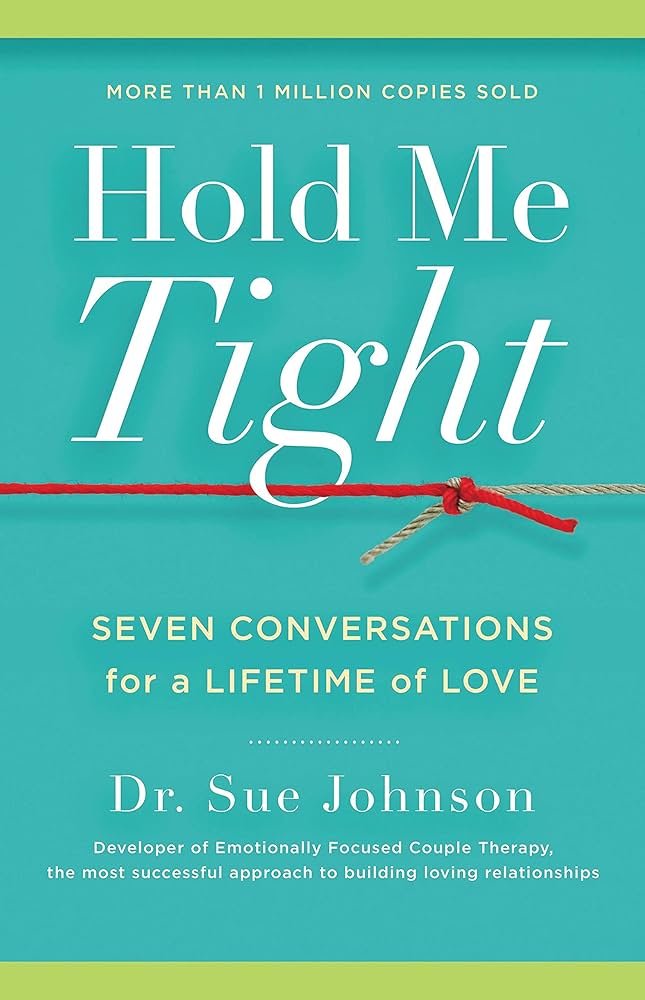
Recommended Reading: “Hold Me Tight: Seven Conversations for a Lifetime of Love” by Dr. Sue Johnson provides a framework for creating secure attachment bonds in adult relationships through improved communication during conflict.
Your Action Plan for Healing Anxious Attachment
Let me give you concrete steps to start this healing journey today, not someday when you feel ready or have everything figured out.
This week, identify your specific anxious attachment triggers. What situations consistently make you feel panicked or desperate for reassurance? Write them down. Awareness is always the first step toward change.
Next, choose one self soothing technique to practice when those triggers arise. Maybe it’s the grounding exercise, maybe it’s self compassion self talk, maybe it’s waiting 20 minutes before reacting. Pick one and commit to trying it consistently for two weeks.
Start a practice of noticing when you’re about to engage in protest behavior or reassurance seeking. You don’t have to stop yourself yet if that feels impossible. Just notice. “I’m about to send a third text. That’s my anxiety talking.” Naming the pattern reduces its power.
Consider reaching out to a therapist who specializes in attachment issues. You don’t have to have everything figured out before starting therapy. In fact, the confusion and struggle is exactly what therapy is designed to help with.
Finally, be patient with yourself. You didn’t develop anxious attachment overnight and you won’t heal it overnight. Progress isn’t linear. You’ll have good days and terrible days. What matters is the overall trajectory, not perfecting every moment.
Ready to transform your relationships? Subscribe to our newsletter for weekly insights, exercises, and community support on your attachment healing journey. You don’t have to do this alone.
Frequently Asked Questions About Anxious Attachment
Can anxious attachment be completely healed or will I always struggle with these patterns?
Research shows that attachment styles can absolutely change, and many people develop what’s called “earned security” through therapy and intentional healing work. While you may always have some awareness of your anxious tendencies, especially during stress, the intensity and frequency of anxious responses typically decrease significantly with consistent work. Studies indicate that approximately 25% of people show different attachment styles when assessed years apart, demonstrating that these patterns are not fixed personality traits but learned responses that can be unlearned and replaced with healthier patterns.
How do I know if my anxiety is anxious attachment or just normal relationship concerns?
Normal relationship concerns are usually proportional to actual situations and don’t consume your entire mental space. Anxious attachment involves persistent, overwhelming fear of abandonment that exists even when the relationship is objectively fine, interpreting neutral or ambiguous behaviors as rejection, needing constant reassurance that never quite satisfies the underlying anxiety, and experiencing physical symptoms like racing heart or stomach distress when your partner is unavailable. If your anxiety significantly interferes with your daily functioning or your partner’s reasonable need for space triggers panic responses, you’re likely dealing with anxious attachment rather than typical relationship worries.
What should I look for in a therapist if I want to work on anxious attachment specifically?
Seek therapists who specifically mention attachment theory, emotionally focused therapy (EFT), or schema therapy in their specializations. During initial consultations, ask about their experience treating attachment issues and what their approach looks like. A good attachment focused therapist will help you understand the origins of your patterns, provide consistent attunement and validation, work with you on emotional regulation skills, and help you practice new ways of relating within the therapeutic relationship itself. The therapist patient relationship becomes a corrective emotional experience that demonstrates what secure attachment feels like.
Can two anxiously attached people have a successful relationship together?
While it’s more challenging than an anxious secure pairing, two anxiously attached people can build a healthy relationship if both are aware of their patterns and committed to healing work. The key is ensuring you’re both working on developing self soothing skills rather than expecting the other person to constantly regulate your anxiety. You’ll need to explicitly communicate about your respective triggers and needs, establish agreements about reassurance that feel sustainable for both people, and ideally work with a couples therapist who understands attachment dynamics. Without this conscious work, anxious anxious pairings often become exhausting cycles of mutual reassurance seeking.
How long does it typically take to see improvements in anxious attachment patterns?
Most people notice some improvements within a few months of consistent therapy and self work, such as slightly longer delays before needing reassurance or catching themselves before engaging in protest behaviors. More substantial changes like consistently self soothing or choosing securely attached partners typically emerge over one to two years of dedicated healing work. Deep transformation of core beliefs about your worthiness and safety in relationships often takes two to four years. Remember that healing isn’t linear and setbacks are normal, especially during stressful life periods. The goal isn’t perfection but gradually increasing your capacity to manage anxiety without it controlling your relationship behaviors.





Comments 3