

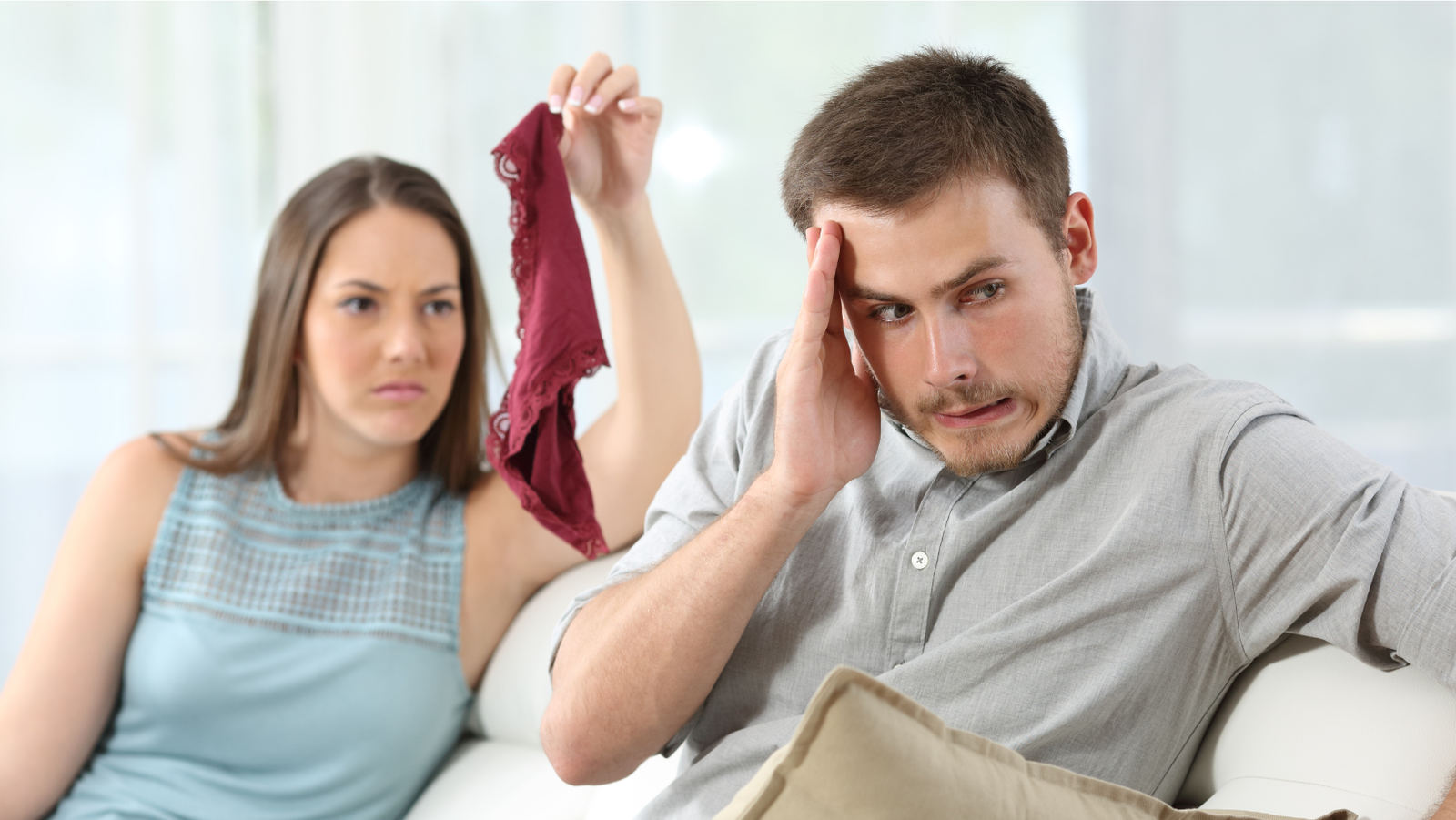
Recent surveys reveal that roughly one in five individuals who describe their relationship as “happy” still report having cheated at least once.
If happiness supposedly safeguards love, why does infidelity still creep in?
In this article, we explore Why Do People Cheat Even in Happy Relationships? 7 Psychological Reasons Therapists See, uncovering the hidden motives that drive seemingly content partners to stray.
We’ll dissect each reason, illustrate them with real‑life examples, and offer practical steps to safeguard your bond.
By the end, you’ll have a clearer map of the emotional terrain that leads to betrayal—and how to navigate it safely.
- Infidelity often stems from unmet emotional needs, not a lack of love.
- Attachment styles—especially anxious‑avoidant dynamics—create hidden vulnerabilities.
- Narcissistic traits produce predictable cheating patterns that therapists recognize.
- Self‑esteem fluctuations and the pursuit of novelty can override relationship satisfaction.
- Open communication and proactive boundary‑setting reduce the risk of secret affairs.
Why Do People Cheat Even in Happy Relationships? 7 Psychological Reasons Therapists See.
Understanding why someone strays while claiming to be happy requires looking beyond surface satisfaction. Therapists repeatedly observe seven core psychological drivers that operate beneath the veneer of contentment.
1. Emotional Neglect Masked by Routine
Partners may feel emotionally unseen even when daily logistics run smoothly. Over time, the absence of deep, validating conversations creates a quiet loneliness. Consequently, they seek affirmation elsewhere, mistaking fleeting attention for genuine connection.
Furthermore, this neglect is often unintentional; both individuals assume that shared chores equal emotional intimacy.
2. The Thrill of Novelty
The brain’s reward system responds strongly to new experiences. When a relationship becomes predictable, dopamine levels dip, prompting a subconscious craving for excitement. Therefore, an affair can feel like a shortcut to rekindling that lost spark.
In addition, the secrecy itself amplifies the adrenaline rush, making the illicit encounter more alluring.
3. Unresolved Childhood Attachment Wounds
Early experiences with caregivers shape adult attachment styles. Those with anxious or avoidant tendencies may unconsciously repeat patterns of distancing or clinging. As a result, they might cheat to regulate internal anxiety or to avoid feeling engulfed.
Moreover, these wounds often stay hidden because they manifest as “relationship‑wise” complaints rather than overt trauma.
4. Low Self‑Esteem Seeking External Validation
Even satisfied partners can harbor fragile self‑worth. Compliments from a new admirer temporarily boost confidence, creating a dangerous feedback loop. Hence, the affair becomes a maladaptive strategy to counteract inner criticism.
Additionally, the validation feels more potent because it is perceived as “earned” through conquest rather than given freely.
5. Fear of Intimacy Leading to Self‑Sabotage
Some individuals equate closeness with loss of autonomy. When intimacy deepens, panic arises, prompting them to create distance via infidelity. Consequently, the cheating act serves as a protective barrier against perceived engulfment.
Furthermore, this pattern often repeats across multiple relationships unless addressed therapeutically.
6. Conflict Avoidance and Passive‑Aggressive Expression
When direct communication feels risky, some partners resort to indirect ways of expressing dissatisfaction. Cheating becomes a silent protest—a way to signal unhappiness without confronting the partner directly. As a result, the affair functions as a maladaptive language of distress.
Moreover, the secrecy allows them to avoid the guilt of overt confrontation while still achieving a sense of release.
7. Idealization of the “Other” as a Fantasy Escape
The mind can construct an idealized lover who embodies qualities the real partner supposedly lacks. This fantasy offers an escape from everyday stressors and perceived shortcomings. Therefore, the affair is less about the actual person and more about the narrative it supports.
In addition, maintaining the fantasy requires continual secrecy, which reinforces the cycle of deception.
Also Read: 15 Micro-Cheating Signs Your Partner Hopes You’ll Miss
Anxious-Avoidant Trap: Why Anxious Partners Get Cheated on More.
Attachment theory explains why anxious individuals often find themselves on the receiving end of infidelity, even when they invest heavily in the relationship.
Anxious partners crave constant reassurance and fear abandonment. Their heightened need for closeness can overwhelm avoidant counterparts, who respond by withdrawing emotionally or physically. Consequently, the avoidant partner may seek connection elsewhere to regain a sense of autonomy.
Furthermore, the anxious partner’s vigilance for signs of distancing can become self‑fulfilling; their accusations or clinginess push the avoidant partner farther away, increasing the likelihood of cheating.
In addition, the cycle creates a painful feedback loop: the anxious partner’s insecurity fuels the avoidant partner’s desire for space, which then validates the anxious partner’s fear of being unloved.
To break this trap, both individuals must learn to communicate needs without blame and develop self‑soothing strategies. Therapy often focuses on building secure attachment behaviors, such as consistent responsiveness paired with respect for independence.
Also Read: Understanding Anxious Attachment: The Roots and Remedies of Relationship Anxiety

Narcissistic personality traits.
Narcissistic personality traits produce distinctive, repeatable infidelity behaviors that clinicians can identify.
First, narcissists often engage in triangulation, introducing a third party to provoke jealousy and maintain control. Second, they may practice love bombing followed by sudden devaluation, using the affair as a tool to regain superiority. Third, they frequently exhibit gaslighting, denying the affair despite clear evidence to destabilize the partner’s perception of reality.
Furthermore, narcissists tend to seek admiration from multiple sources, viewing each conquest as proof of their desirability. They also display entitlement, believing they are exempt from relational rules. Additionally, they often lack empathy, making it easier to dismiss the partner’s pain.
Moreover, they may use projection, accusing the partner of infidelity to deflect guilt. Another pattern is idealization‑devaluation cycling, where the affair partner is initially idolized, then discarded once flaws emerge. They also frequently engage in secretive digital behavior, such as hidden accounts or encrypted messaging.
Finally, narcissists often show a lack of remorse, rationalizing cheating as a necessary step for personal growth or claiming the partner “deserved it.”
Recognizing these patterns empowers individuals to set firm boundaries and seek professional support when needed.
Also Read: 12 Narcissistic Partner Warning Signs You Should Never Ignore
Practical Steps to Protect Your Relationship From Hidden Infidelity Risks
Awareness is the first line of defense. Below are actionable strategies grounded in the psychological insights discussed above.
First, cultivate daily emotional check‑ins. Spend ten minutes each day sharing feelings without problem‑solving; this builds intimacy and reduces emotional neglect.
Second, identify and discuss attachment triggers. Knowing whether you or your partner leans anxious or avoidant allows you to co‑create safety signals rather than reactive cycles.
Third, introduce novelty within the relationship. Plan surprise dates, try new hobbies together, or explore fantasies consensually to satisfy the dopamine drive for novelty safely.
Fourth, work on self‑esteem independently. Engage in activities that foster competence and worth outside the partnership, reducing the need for external validation.
Fifth, establish clear boundaries regarding transparency. Agree on openness about friendships, social media interactions, and personal space expectations.
Sixth, seek professional guidance early. Couples therapy can uncover hidden patterns before they escalate into betrayal.
Lastly, practice forgiveness and repair when mistakes occur. Acknowledging hurt, taking responsibility, and rebuilding trust strengthens the relational foundation against future threats.

Why Do People Cheat Even in Happy Relationships? 7 Psychological Reasons Therapists See – A Deeper Look
Revisiting the core motivations helps solidify understanding and highlights areas for personal growth.
The seven reasons are not isolated; they often intersect. For example, someone with low self‑esteem may also possess an anxious attachment style, making them prone to seeking validation through novelty while fearing abandonment.
Furthermore, recognizing these intersections allows therapists to tailor interventions that address multiple layers at once—such as combining attachment‑focused work with self-esteem-building exercises.
In addition, couples who openly discuss these vulnerabilities report higher relationship satisfaction and lower infidelity rates over time.
Therefore, treating the relationship as a living system—where each partner’s internal world influences the dynamic—yields the most resilient outcomes.
Frequently Asked Questions
What percentage of people in happy relationships admit to cheating?
Studies indicate that roughly 20% of individuals who describe their relationship as “happy” have engaged in infidelity at least once. This statistic highlights that satisfaction alone does not guarantee fidelity.
How does anxious‑avoidant attachment increase cheating risk?
Anxious partners seek constant reassurance, while avoidant partners withdraw to preserve autonomy. This mismatch creates tension; the avoidant partner may seek connection elsewhere to regain independence, and the anxious partner’s clinginess can push them farther away.
What are common cheating patterns seen in narcissistic individuals?
Narcissists often use triangulation, love bombing followed by devaluation, gaslighting, projection, and a lack of remorse. They view affairs as a way to maintain control, gain admiration, and reinforce their sense of superiority.
Can improving self‑esteem reduce the likelihood of infidelity?
Yes. When individuals feel secure in their worth, they rely less on external validation from affairs. Building self‑esteem through personal achievements, therapy, or supportive relationships decreases the temptation to seek affirmation outside the partnership.
What practical steps can couples take to prevent hidden infidelity?
Couples can schedule daily emotional check‑ins, discuss attachment triggers, introduce shared novelty, build individual self‑esteem, set transparent boundaries, seek therapy early, and practice forgiveness and repair when needed.
Ready to Strengthen Your Relationship?
If you found these insights valuable, take the next step toward a healthier, more secure partnership.
Get Your Relationship Health Checklist
We respect your privacy. Unsubscribe anytime.
Understanding the hidden forces behind infidelity empowers you to act with compassion and clarity. By addressing emotional neglect, attachment wounds, and self‑esteem gaps, couples can transform vulnerability into resilience.
Remember, a happy relationship is not immune to challenges, but it becomes far stronger when both partners commit to ongoing awareness and growth.