


Breakup: How to Heal, Grow, and Move Forward After Heartbreak
Breakups hurt—there’s no sugarcoating it. Whether it’s a sudden split or a slow unraveling, the emotional fallout can leave you feeling lost, angry, or even numb. You might be wondering: Why did this happen? Will I ever feel whole again? How do I stop thinking about them every five minutes? If you’re searching for answers, you’re not alone. Millions go through breakups each year, and while no two experiences are identical, the path to healing follows familiar patterns. This guide walks you through practical steps to recover from a breakup, rebuild your confidence, and create space for healthier relationships in the future.
Also Read: Reclaiming Joy: Strategies for Thriving After a Breakup
Why Breakups Feel So Devastating (And What’s Really Happening)
Your brain doesn’t distinguish between emotional and physical pain—that’s why a breakup can feel like a gut punch. Neuroscientists have found that rejection activates the same regions of the brain as physical injury. That’s why you might feel chest tightness, insomnia, or even loss of appetite. It’s not weakness; it’s biology.
When you’re in a relationship, your brain releases oxytocin and dopamine—chemicals linked to bonding and pleasure. When that connection is severed, your system goes into withdrawal. This explains the obsessive thoughts, the urge to check their social media, or the irrational hope they’ll text “I miss you.”
But here’s the good news: these feelings will fade. Research shows that most people begin to feel significantly better within six months, though the timeline varies. The key isn’t to rush the process—it’s to honor it.
Also Read: Healing and Flourishing: Mastering Life After a Breakup

5 Stages of Breakup Grief (And How to Navigate Each One)
Breakups often follow a grief pattern similar to losing a loved one. Understanding these stages can help you make sense of your emotions instead of fighting them.
- Shock and Denial: “This can’t be happening.” You might replay conversations or convince yourself it’s a misunderstanding.
- Pain and Guilt: Waves of sadness hit—sometimes out of nowhere. You may blame yourself: “If only I’d done X, Y, or Z…”
- Anger and Bargaining: Frustration builds. You might lash out or beg for another chance. This is normal, but avoid impulsive actions.
- Depression and Reflection: The reality sinks in. You feel low, but this is also when clarity starts to emerge.
- Acceptance and Hope: You begin to see life beyond the relationship. New routines form. Laughter returns.
Remember: these stages aren’t linear. You might loop back to anger after feeling hopeful. That’s okay. Healing isn’t a straight line—it’s more like a spiral.
What Not to Do in the First 30 Days
The initial weeks after a breakup are critical. Your emotions are raw, and poor decisions can prolong pain. Avoid these common traps:
- Stalking their social media: Every like or new photo triggers comparison and false hope.
- Drinking to numb the pain: Alcohol amplifies sadness and clouds judgment.
- Rebounding too fast: Jumping into a new relationship avoids healing—not solves it.
- Isolating completely: While solitude helps, total withdrawal increases depression risk.
Instead, focus on small, consistent acts of self-care: a 10-minute walk, journaling, or calling a trusted friend.
Also Read: Strategies for Moving Past Your Ex
How to Rebuild Your Identity After a Breakup
Long-term relationships often blur personal boundaries. You may have adopted their hobbies, friends, or even speech patterns. Post-breakup, it’s common to feel like you’ve lost yourself. That’s why rediscovery is essential.
Ask yourself: Who was I before this relationship? What did I love doing that I stopped? What do I want now—not what they wanted for me?
Start small. Revisit an old passion—painting, hiking, cooking. Try something entirely new: a dance class, volunteering, or learning a language. These activities aren’t distractions; they’re reconnections.
Therapists often recommend the “Values Clarification” exercise: write down your top five core values (e.g., honesty, creativity, independence). Then assess how your current life aligns. Misalignment breeds discontent—even after a breakup.
Books That Help You Heal After a Breakup
Reading others’ stories can be incredibly validating. Here are five highly recommended books that offer insight, comfort, and practical tools:
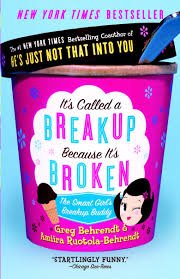
1. It’s Called a Breakup Because It’s Broken by Greg Behrendt and Amiira Ruotola-Behrendt
This book is the best because it feels like a funny, loving big sister holding your hand and saying, “Yep, it hurts, and that’s okay.” It talks about how when someone leaves, it’s not your job to chase them or fix them—it’s your job to be kind to yourself, eat your snacks, play with your toys, and let your heart heal. It reminds you that broken things can’t be glued back the same way, but you? You can grow into someone even happier.
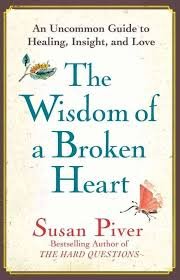
2. The Wisdom of a Broken Heart by Susan Piver
It’s the best because it turns big, scary sad feelings into gentle teachers. The book talks about how a broken heart isn’t just ouchies—it’s also a quiet path that helps you learn what you truly love, what you need, and how to be your own best friend. Like planting a seed in dark soil, it shows you that soft, patient care can help something beautiful grow from the hurt.
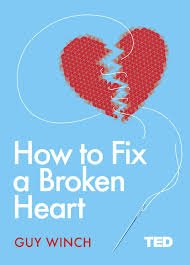
3. How to Fix a Broken Heart by Dr. Guy Winch
This one’s the best because it gives your heart a little first-aid kit with simple, science-backed bandaids. It talks about why heartbreak feels like a boo-boo in your chest, and then shows you tiny, doable steps—like not scrolling through old pictures or saying nice things to yourself—to help the ache get smaller each day. Short, kind, and practical, like a hug that also hands you a flashlight.
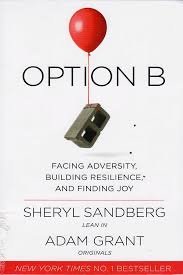
4. Option B by Sheryl Sandberg and Adam Grant
It’s the best because it whispers, “You can still find joy, even after really hard things.” The book talks about what to do when life feels like someone took your favorite toy forever—how to breathe, ask for help, and slowly find new ways to smile. It doesn’t rush your sadness; it just walks beside you and shows that hope can grow back, like grass after rain.
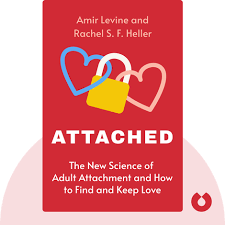
5. Attached by Amir Levine and Rachel Heller
This book is the best because it helps you understand your heart’s favorite way to feel safe—like whether you love big hugs or need a little space to feel cozy. It talks about how everyone has a different “love style,” and when you know yours (and someone else’s), it’s easier to pick friends and partners who fit your heart just right. Simple, warm, and like having a map for your feelings.
These aren’t just feel-good reads—they’re roadmaps. Many readers report reduced anxiety and clearer decision-making after applying the strategies.
When to Seek Professional Help After a Breakup
Most people recover from breakups with time and support. But if you’re experiencing any of the following, consider talking to a therapist:
- Persistent sadness lasting more than two weeks
- Loss of interest in activities you once enjoyed
- Thoughts of self-harm or hopelessness
- Inability to function at work or school
- Obsessive behaviors (e.g., constant calling, showing up uninvited)
Therapy isn’t a sign of failure—it’s a tool for growth. Cognitive Behavioral Therapy (CBT) is especially effective for breakup recovery, helping you reframe negative thought patterns.
Online platforms like BetterHelp or Talkspace offer affordable, confidential sessions. Many therapists specialize in relationship trauma and can guide you through tailored exercises.
Also Read: Moving On: Mastering the Art of Letting Go After a Breakup
Rebuilding Trust in Future Relationships
After a breakup, especially a painful one, trust takes a hit. You might fear vulnerability or assume all partners will leave. But healing isn’t about building walls—it’s about setting healthy boundaries.
Ask yourself: What red flags did I ignore? What boundaries did I compromise? What do I need to feel safe now?
Healthy relationships thrive on mutual respect, communication, and emotional availability—not perfection. Use your breakup as a learning experience, not a life sentence.
When you’re ready to date again, go slow. Pay attention to how someone treats you during disagreements, not just during romantic gestures. Actions reveal character far more than words.
Signs You’re Ready to Date Again
There’s no universal timeline, but these indicators suggest emotional readiness:
- You can talk about the breakup without crying or raging
- You’re excited about your own future, not just escaping loneliness
- You’ve reconnected with friends and hobbies
- You’re not idealizing the past or demonizing your ex
- You’re open to new people—without comparison
If you’re still grieving, that’s okay. Rushing into dating often leads to projection—seeing a new partner as a fix for old wounds. True connection requires presence, not desperation.
Key Takeaways: Your Breakup Recovery Checklist
Healing from a breakup isn’t about forgetting—it’s about integrating the experience into your story without letting it define you. Here’s a quick recap:
- Acknowledge your pain: Suppressing emotions prolongs healing.
- Create distance: Unfollow, mute, or block if needed. Out of sight helps out of mind.
- Lean on your support system: Friends and family are your emotional first responders.
- Focus on self-growth: Use this time to invest in your goals, health, and passions.
- Be patient: Healing isn’t linear. Some days will be harder than others—and that’s normal.
You don’t have to “get over” your ex. You just have to make peace with what happened and choose yourself moving forward.
FAQ: Common Questions About Breakups
How long does it take to get over a breakup?
Most people feel significant improvement within 3–6 months, but complex relationships or traumatic splits may take longer. Focus on progress, not timelines.
Should I stay friends with my ex?
Only if both parties are emotionally detached and it doesn’t hinder healing. In most cases, a clean break is healthier initially.
Why do I still miss them if the relationship was unhealthy?
Nostalgia often glorifies the good moments and minimizes the bad. Your brain craves familiarity, even if it wasn’t good for you.
Is it okay to cry every day after a breakup?
Yes. Crying is a natural release. If sadness persists beyond a few weeks or affects daily function, consider professional support.
Can a breakup make you stronger?
Absolutely. Many people report increased self-awareness, resilience, and clarity about what they want after healing.
Final Thoughts: This Pain Has Purpose
A breakup isn’t the end of your story—it’s a plot twist. It forces you to confront parts of yourself you may have ignored. It teaches you about love, loss, and the quiet strength it takes to keep going.
You don’t need to have all the answers right now. Just take one step: send that text to a friend, delete their number, or sign up for that class you’ve been curious about. Small actions build momentum.
And when the memories surface—because they will—remind yourself: you survived yesterday. You’ll survive today. And tomorrow, you’ll be a little lighter.
Healing isn’t about erasing the past. It’s about making room for a future where you’re not just okay—you’re thriving.