


What Is Attachment Theory and Why Does It Shape Your Relationships?
Ever wonder why you react the way you do in relationships—why some people crave closeness while others pull away at the first sign of intimacy? Attachment theory offers a powerful explanation. Developed by British psychologist John Bowlby in the 1950s, this framework reveals how our earliest bonds with caregivers shape our emotional wiring for life. Whether you’re navigating romantic partnerships, friendships, or even your relationship with yourself, understanding attachment theory can be a game-changer. It’s not just academic jargon—it’s a roadmap to healthier connections.
How Attachment Theory Explains Your Relationship Patterns
At its core, attachment theory suggests that the way we connect with others as adults is deeply rooted in our childhood experiences. Bowlby observed that infants are biologically wired to seek proximity to caregivers for safety and comfort. These early interactions form internal working models—mental blueprints that guide how we expect others to respond to our needs.
These models don’t just disappear when we grow up. They quietly influence everything: how we handle conflict, whether we fear abandonment, or if we struggle to trust. Think of it like a default setting on your emotional operating system. If your early caregivers were responsive and consistent, you likely developed a secure attachment style. But if care was inconsistent, dismissive, or absent, you might lean into anxious, avoidant, or disorganized patterns.
Sound familiar? Maybe you’ve noticed yourself getting clingy when a partner seems distant, or pulling back when things get too serious. These aren’t flaws—they’re echoes of your attachment history.
Also Read: Understanding Anxious Attachment: The Roots and Remedies of Relationship Anxiety
The Four Attachment Styles: Which One Are You?
While Bowlby laid the foundation, later researchers like Mary Ainsworth and Cindy Hazan expanded the model into four main attachment styles:
- Secure Attachment: You feel comfortable with intimacy and independence. You communicate openly, manage conflict well, and trust others without constant reassurance.
- Anxious-Preoccupied Attachment: You crave closeness but often worry about being abandoned. You may seek frequent validation and feel uneasy when your partner isn’t immediately available.
- Dismissive-Avoidant Attachment: You value independence highly and may downplay the importance of relationships. You tend to suppress emotions and prefer emotional distance.
- Fearful-Avoidant (Disorganized) Attachment: You have mixed feelings about closeness—you want connection but fear getting hurt. This often stems from trauma or inconsistent caregiving.
Most people don’t fit perfectly into one box. Attachment exists on a spectrum, and your style can shift with time, therapy, and conscious effort.

Why Your Attachment Style Matters in Adult Relationships
Your attachment style isn’t just about how you were raised—it actively shapes your adult relationships. Research shows that securely attached individuals report higher relationship satisfaction, better communication, and lower levels of conflict.
But here’s the good news: attachment isn’t destiny. Unlike your eye color or height, your attachment patterns can evolve. With self-awareness and intentional practice, you can move toward greater security—even if your default setting leans anxious or avoidant.
For example, someone with an anxious attachment style might learn to soothe their own fears instead of relying solely on their partner for reassurance. An avoidant person might practice vulnerability by sharing small feelings before diving into deep emotional territory.
Therapy, especially approaches like Emotionally Focused Therapy (EFT), has been shown to help individuals rewire insecure attachment patterns. Even reading books on the topic can spark meaningful change.
Books That Illuminate Attachment Theory
If you’re ready to dive deeper, these five highly regarded books offer practical insights and real-world applications:
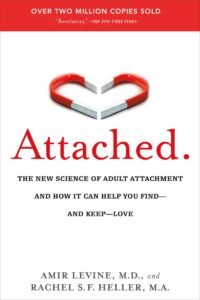
- Attached by Amir Levine and Rachel Heller – A bestselling guide that breaks down attachment styles in romantic relationships with clear examples and actionable advice.
2. Hold Me Tight by Dr. Sue Johnson – Based on EFT, this book helps couples understand their emotional dance and build stronger bonds.

3. The Attachment Connection by Ruth Newton – A compassionate guide for parents and caregivers to foster secure attachment in children.
4. Wired for Love by Stan Tatkin – Explores how attachment science can transform romantic partnerships through mindful connection.
5. Becoming Attached by Robert Karen – A more narrative-driven exploration of Bowlby’s life and the development of attachment theory.
Each of these books speaks to different audiences—from couples seeking harmony to parents wanting to raise emotionally resilient kids. Pick one that resonates with your current life stage.
Can You Change Your Attachment Style?
This is probably the question on your mind: “Can I really change how I attach to people?” The short answer? Yes—but it takes time, effort, and often support.
Neuroplasticity—the brain’s ability to rewire itself—means that new experiences can overwrite old patterns. A secure relationship with a therapist, a supportive partner, or even a close friend can serve as a “corrective emotional experience.” Over time, these positive interactions help your brain update its expectations about safety and connection.
But change doesn’t happen overnight. It starts with awareness. Ask yourself:
When do I feel most anxious in relationships? What triggers my need to pull away? What would it feel like to trust someone fully?
Journaling, mindfulness, and therapy are powerful tools. Even simply naming your attachment style can reduce its power over you. Once you recognize the pattern, you’re no longer just reacting—you’re responding with choice.
Also Read: Dating Someone with Avoidant Attachment: Smart Tips for Guys
Practical Steps to Build Secure Attachment
Ready to shift toward security? Try these evidence-based strategies:
- Practice emotional honesty: Share your feelings without blame. Start small: “I felt a little worried when you didn’t text back.”
- Develop self-soothing techniques: Deep breathing, grounding exercises, or talking to a trusted friend can help regulate anxiety.
- Set healthy boundaries: Secure attachment includes respecting your own needs and others’ limits.
- Seek secure relationships: Surround yourself with people who are emotionally available and consistent.
- Consider therapy: A trained therapist can help you explore past wounds and build new relational skills.
Remember: progress isn’t linear. Some days you’ll feel confident; others, old fears will resurface. That’s normal. What matters is showing up for yourself again and again.

Attachment Theory Beyond Romance: Friendships, Family, and Self
While attachment theory is often discussed in the context of romantic relationships, its impact extends far beyond dating. Your attachment style influences how you relate to friends, family members, and even yourself.
For instance, someone with an avoidant style might struggle to ask for help from friends, fearing it makes them “needy.” An anxious person might over-apologize or people-please to avoid rejection. These patterns can strain platonic relationships just as much as romantic ones.
And then there’s your relationship with yourself. Secure attachment includes self-compassion—the ability to comfort yourself when you’re hurting. If you grew up with critical or neglectful caregivers, you might have internalized that voice. Learning to treat yourself with kindness is a crucial part of healing.
Think of it this way: if your inner child felt unseen, your adult self can learn to see them. That’s where practices like inner child work or self-parenting come in.
Also Read: Unmasking Detachment: Why Avoidants Pull Away
How Parents Can Foster Secure Attachment
If you’re a parent or caregiver, your role in shaping a child’s attachment style is profound. Secure attachment isn’t about being perfect—it’s about being consistently responsive.
This means tuning into your child’s cues, validating their emotions (“You’re really upset about leaving the park, huh?”), and offering comfort without rushing to fix everything. It’s not about shielding them from pain, but about being a safe base from which they can explore the world.
Research shows that securely attached children tend to have better emotional regulation, stronger social skills, and higher self-esteem. They’re also more likely to form healthy relationships later in life.
And if your own attachment style isn’t secure? That’s okay. Parenting is one of the most powerful opportunities for growth. Many adults report that becoming a parent helped them heal their own attachment wounds.
Key Takeaways: What You Need to Know About Attachment Theory
- Attachment theory explains how early caregiver relationships shape your emotional patterns in adulthood.
- There are four main attachment styles: secure, anxious, avoidant, and fearful-avoidant.
- Your style influences how you handle intimacy, conflict, and trust in relationships.
- Attachment is not fixed—it can change with self-awareness, therapy, and secure relationships.
- Books like Attached and Hold Me Tight offer practical tools for understanding and improving your attachment style.
- Healing attachment wounds benefits not just romantic relationships, but friendships, parenting, and self-relationship.
FAQ: Your Most Asked Questions About Attachment Theory
Can attachment style change over time?
Yes. While early experiences set the foundation, your attachment style can evolve through therapy, secure relationships, and personal growth.
Is one attachment style better than others?
Secure attachment is linked to healthier relationships and emotional well-being, but no style is “bad.” Each has strengths—and challenges.
How do I know my attachment style?
Reflect on your relationship patterns: Do you fear abandonment? Avoid closeness? Seek constant reassurance? Online quizzes and books like Attached can help you identify your style.
Can couples with different attachment styles make it work?
Absolutely. Awareness and communication are key. Understanding each other’s needs can turn differences into strengths.
Does attachment theory apply to friendships?
Yes. Your attachment style affects how you connect with friends, handle conflicts, and express vulnerability in platonic relationships.
Understanding attachment theory isn’t about labeling yourself or others—it’s about gaining insight so you can build more fulfilling, authentic connections. Whether you’re dating, parenting, or simply trying to understand yourself better, this framework offers a compassionate lens through which to view your emotional world.






Comments 1