

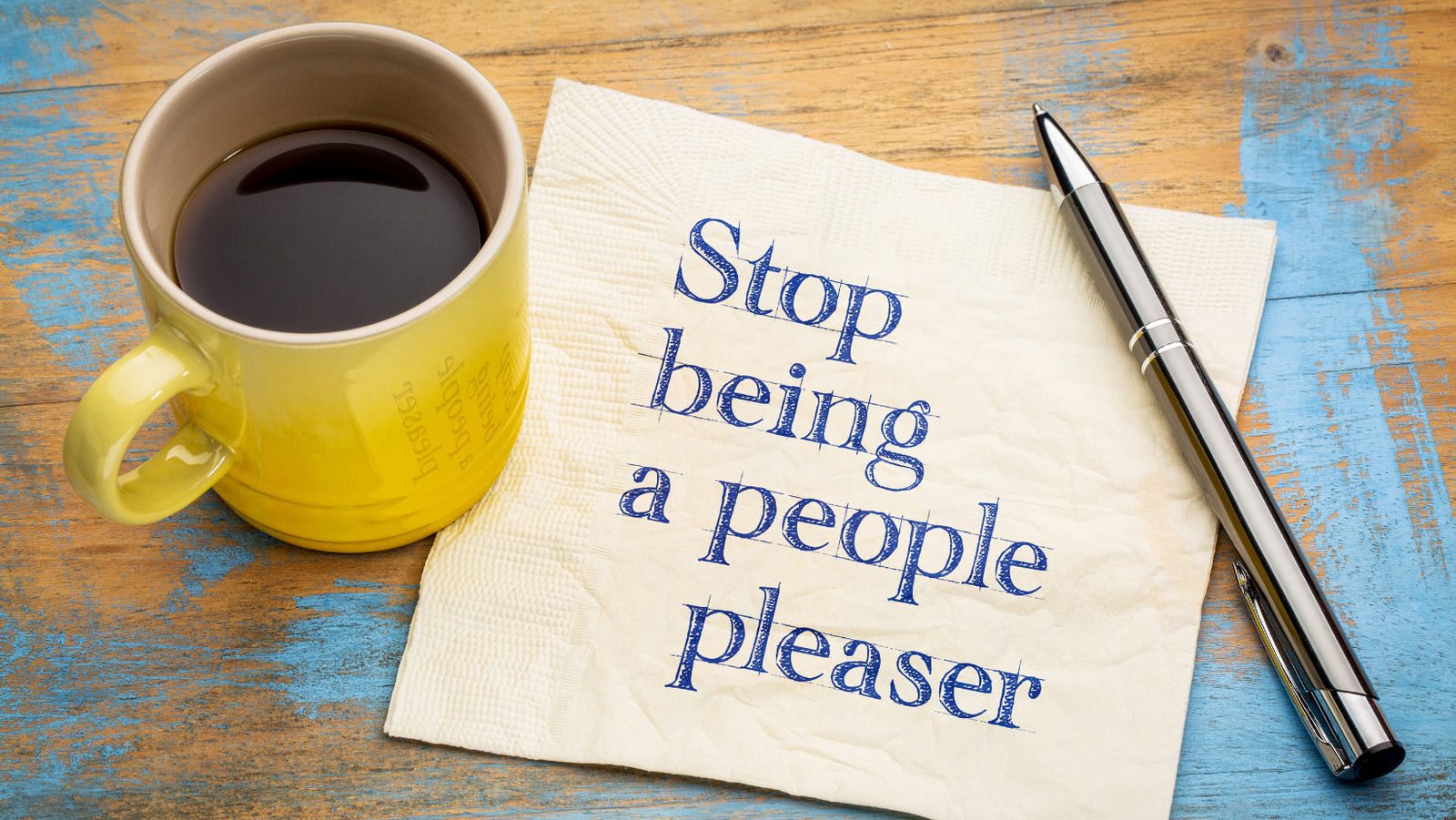
How to Stop Being a People Pleaser in Relationships
Ever said “yes” when you meant “no,” just to avoid conflict or keep the peace? You’re not alone. If you constantly prioritize your partner’s needs over your own—even at the cost of your mental health—you might be stuck in the cycle of people-pleasing in relationships. This pattern doesn’t just drain your energy; it quietly erodes trust, intimacy, and self-respect. The good news? You can break free. Learning how to stop being a people pleaser in relationships starts with awareness, boundaries, and reclaiming your voice.
Also Read: Building Bridges of Confidence: Strategies to Overcome Trust Issues
Why Do We Become People Pleasers in Relationships?
People-pleasing often stems from deep-rooted fears: fear of rejection, abandonment, or being seen as “difficult.” Maybe you grew up in a household where love felt conditional—or perhaps past relationships punished honesty with silence or anger. Over time, saying “yes” becomes a reflex, not a choice.
But here’s the truth: healthy relationships thrive on authenticity, not accommodation. When you suppress your needs to keep someone happy, you’re not loving them—you’re protecting yourself from perceived risk. And that’s not sustainable.
Ask yourself:
- Do I feel anxious before expressing disagreement?
- Do I assume my partner will leave if I set a boundary?
- Do I often feel resentful—but never say why?
If any of these sound familiar, you’re likely caught in people-pleasing mode.

The Hidden Cost of People-Pleasing in Romantic Relationships
At first glance, people-pleasing seems harmless—even noble. But over time, it breeds resentment, emotional exhaustion, and disconnection. You start feeling like a background character in your own life. Your partner may not even realize they’re benefiting from your silence—because you’ve never shown them otherwise.
Consider this: when you always agree, your partner never sees the real you. They fall in love with a version of you that doesn’t exist. And when the mask finally slips (because it always does), the fallout can be brutal.
Worse, chronic people-pleasing can lead to:
- Burnout and emotional fatigue
- Loss of identity and self-worth
- Passive-aggressive behavior
- Attracting partners who exploit your kindness
Breaking this cycle isn’t about being selfish—it’s about being whole.
Also Read: Finding Lasting Love Without Losing Yourself.
Real Talk: Is Your Relationship Built on Authenticity or Accommodation?
Take a moment to reflect:
Do you feel safe voicing your opinion without fear of backlash?
Can you say “no” without guilt-tripping yourself afterward?
If the answer is no, your relationship may be leaning too heavily on your compliance.
True intimacy grows when both partners feel seen—not just liked. And that requires honesty, even when it’s uncomfortable.
How to Stop Being a People Pleaser in Relationships: 5 Practical Steps
Changing deeply ingrained habits takes time—but every small step counts. Here’s how to start reclaiming your power without pushing your partner away.
1. Identify Your Triggers
People-pleasing rarely happens in a vacuum. It’s usually triggered by specific situations: a partner’s disappointed tone, a looming argument, or even the fear of seeming “high-maintenance.”
Start a journal. Note when you feel the urge to say “yes” against your gut. Ask:
- What am I afraid will happen if I say “no”?
- Who am I trying to protect—my partner or myself?
Awareness is the first step toward change.
2. Practice the Art of the Soft “No”
You don’t have to deliver a hard “no” like a courtroom verdict. Try phrasing that honors both your needs and your partner’s feelings:
- “I’d love to help, but I need some time for myself tonight.”
- “That sounds fun, but I’m not in the headspace for it right now.”
- “I appreciate you asking—can we talk about this tomorrow?”
These responses are kind, clear, and boundary-respecting. Over time, they train your brain (and your partner) that your “no” is valid.
3. Reconnect with Your Own Needs
When you’ve spent years prioritizing others, your own desires can feel fuzzy—or even forbidden. Start small. What did you enjoy before this relationship? What makes you feel energized, not drained?
Try this exercise:
Write down three things you genuinely want this week—not what you think you “should” want. Maybe it’s a solo walk, a phone call with a friend, or skipping date night to binge your favorite show. Honor them.
Remember: your needs are not negotiable—they’re essential.
4. Communicate with “I” Statements
Instead of blaming (“You always expect me to drop everything!”), focus on your experience:
- “I feel overwhelmed when plans change last minute.”
- “I need some quiet time after work to recharge.”
- “I value our time together, but I also need space to be myself.”
This reduces defensiveness and opens the door for real dialogue. Your partner can’t meet your needs if they don’t know what they are.
5. Embrace Discomfort—It’s Part of Growth
Let’s be honest: setting boundaries feels risky. You might worry your partner will get mad, withdraw, or even leave. But ask yourself:
Is a relationship worth keeping if it requires me to erase myself?
Discomfort is not danger. It’s the sign you’re expanding your emotional capacity. Every time you speak up gently but firmly, you build self-trust. And that’s the foundation of any lasting bond.
Books That Can Help You Break Free
Healing from people-pleasing isn’t just about willpower—it’s about rewiring old patterns. These books offer compassionate, research-backed guidance:
1. Daring Greatly by Brené Brown
Daring Greatly is the best because it teaches you that trying new things when you’re scared—like riding a bike without training wheels—is actually how you get brave, not broken. It talks about how hiding your wobbles keeps you lonely, but letting people see your real, messy tries is the secret to making true friends and living without pretending to be perfect.
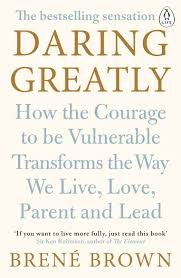
2. Set Boundaries, Find Peace by Nedra Glover Tawwab
This book is the best because it gives you a gentle way to draw an invisible “keep-out” line around your time, toys, and feelings so people don’t accidentally squish them. It talks about how saying “no thank you” or “I need a break” isn’t mean at all—it’s exactly how you keep your own heart happy, stop feeling grumpy, and still be kind to everyone around you.
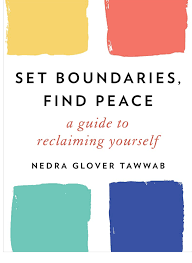
3. Codependent No More by Melody Beattie
It’s the best because it shows you that you don’t have to carry everyone else’s heavy backpack or clean up their spilled juice just to feel loved. It talks about how some grown-ups forget to take care of themselves because they’re too busy fixing other people, and gently teaches you how to set those problems down so you can fill up your own cup first.
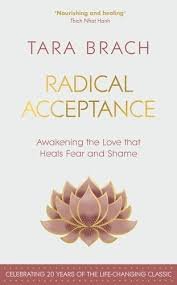
4. Radical Acceptance by Tara Brach
This one’s the best because it gives you a big, soft hug for your whole self, especially on days when you feel like you messed up or aren’t “good enough.” It talks about how turning off that mean whisper in your head and just letting things be exactly as they are—rainy days, big feelings, and all—is the real secret to feeling calm, safe, and happy with who you are.
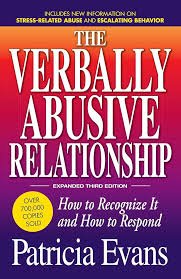
5. The Truth About Love by Patricia Evans
It’s the best because it shows you what real, safe love actually looks like—not the bossy “do it my way” kind, but the warm “we’ll listen and play fair” kind. It talks about how grown-ups sometimes mix up loud words or control with caring, and gently helps you spot the difference so you can build friendships and relationships where everyone’s heart feels protected and respected.
These aren’t just theory—they’re tools for transformation. For more Books follow
What If My Partner Reacts Negatively?
Here’s a hard truth: some partners may resist your newfound boundaries. They’ve grown accustomed to your compliance. When you start saying “no,” they might guilt-trip, withdraw affection, or even accuse you of being “selfish.”
But pause and ask:
Is this person capable of loving the real me—or just the version that serves them?
A healthy partner will respect your growth—even if it’s uncomfortable at first. They’ll see your honesty as a gift, not a threat. If they react with anger or manipulation, that’s not your fault. It’s a red flag.
Remember: boundaries aren’t walls—they’re invitations to deeper connection. The right person will meet you there.
Also Read: Setting Healthy Boundaries: The Key to Empowering Your Relationships
Key Takeaways
- People-pleasing in relationships often stems from fear, not love.
- Suppressing your needs leads to resentment, burnout, and disconnection.
- Start by identifying triggers and practicing soft “no’s.”
- Use “I” statements to communicate needs without blame.
- Embrace discomfort—it’s proof you’re growing.
- Read books like Set Boundaries, Find Peace and Daring Greatly for deeper insight.
- A partner who truly loves you will respect your boundaries.
FAQ: How to Stop Being a People Pleaser in Relationships
Q: Is it selfish to stop people-pleasing?
A: No. Setting boundaries isn’t selfish—it’s self-respect. You can’t pour from an empty cup. Healthy relationships require mutual care, not one-sided sacrifice.
Q: What if my partner says I’m being “too sensitive” when I speak up?
A: That’s a deflection. Your feelings are valid. Try responding: “I’m not being sensitive—I’m being honest. I need you to hear me.”
Q: How do I stop feeling guilty when I say “no”?
A: Guilt fades with repetition. Remind yourself: saying “no” to others often means saying “yes” to yourself. That’s not wrong—it’s necessary.
Q: Can people-pleasing be a sign of trauma?
A: Absolutely. If you grew up in an environment where love felt conditional, people-pleasing may be a survival strategy. Therapy can help unpack this.
Q: Will my relationship survive if I stop people-pleasing?
A: It depends. If your partner values authenticity, yes—it will grow stronger. If they only loved the version of you that obeyed, it may end. And that’s okay.
Final Thoughts
Stopping people-pleasing in relationships isn’t about becoming cold or distant. It’s about showing up as your full, imperfect, beautifully human self. It’s about trading fear for freedom, compliance for connection.
You deserve a love that doesn’t ask you to shrink. One that celebrates your voice, honors your limits, and grows stronger because of your honesty—not in spite of it.
So take a breath. Say that gentle “no.” Share that hidden thought. Your relationship—and your soul—will thank you.






Comments 1