


The Impact of Silent Treatment on Emotional Intimacy
Three days. That’s how long my partner went without speaking to me after I forgot our dinner reservation. Not a word. Not a glance. Just cold, deliberate absence even though we were living in the same apartment. I’d apologized within an hour of realizing my mistake, but the punishment continued. By day two, I felt like I was losing my mind. By day three, I wasn’t sure our relationship could survive this particular form of cruelty.
If you’ve ever experienced the silent treatment in relationships, you know exactly what I’m talking about. That suffocating feeling when someone you love turns you into a ghost in your own home. The confusion when affection gets replaced with ice. The desperation as you try everything to break through a wall that shouldn’t exist between people who claim to love each other.
The silent treatment destroys emotional intimacy faster than almost any other relationship behavior. It’s not just about not talking. It’s about one person weaponizing silence to punish, control, or manipulate the other. And the damage it causes runs deeper than most people realize until they’re caught in its grip.
Also Read: Situationship vs Relationship: 10 signs you are stuck in limbo
What the Silent Treatment Actually Is and Why It Hurts So Much
Let’s get clear on what we’re discussing because not all silence in relationships qualifies as the silent treatment. Taking an hour to cool down before discussing something heated? That’s healthy emotional regulation. Needing a quiet evening after a stressful day? That’s normal self care.
The silent treatment is something entirely different. It’s the deliberate withdrawal of all communication and acknowledgment as a form of punishment or control. It’s refusing to engage with your partner not because you need space to process but because you want them to suffer for whatever they did wrong.
Research from Purdue University found that people subjected to prolonged silent treatment show brain activity patterns similar to those experiencing physical pain (Source: Purdue University Social Pain Research, 2023). Your brain literally processes being ignored by someone you love the same way it processes getting physically hurt. That’s not dramatic exaggeration. That’s neuroscience.
Here’s what makes it particularly insidious. The person giving the silent treatment holds all the power. They decide when it starts, how long it lasts, and when it ends. The targeted person has no agency, no way to resolve the situation, no path back to connection except waiting for the other person to decide they’ve been punished enough.
I remember feeling completely helpless during those three days of silence. I couldn’t fix it because I didn’t know what would be enough. Apologizing didn’t work. Giving space didn’t work. Trying to talk didn’t work. Nothing worked because the silent treatment isn’t designed to solve problems. It’s designed to inflict emotional pain as punishment.
Does this sound familiar? Have you found yourself desperately trying to get any response, even anger, just to break the awful silence? That desperation is exactly the point. The silent treatment forces you into a position where you’ll do almost anything to restore connection, even if that means accepting unequal power dynamics or taking blame for things that aren’t your fault.

How Silent Treatment Destroys Emotional Intimacy
Emotional intimacy requires several foundational elements: trust, vulnerability, consistent communication, and the safety to express yourself without fear of punishment. The silent treatment systematically destroys every single one of these foundations.
Trust Crumbles When Communication Becomes Conditional
Real trust means knowing you can talk through difficulties without the other person withdrawing love or presence as leverage. When someone uses the silent treatment, they’re teaching you that communication and connection are conditional, contingent on you behaving exactly how they want.
Think about what this does to trust over time. You start editing yourself constantly, trying to avoid saying or doing anything that might trigger another bout of silence. You’re walking on eggshells in your own relationship, hypervigilant about potential mistakes that could result in emotional abandonment.
One woman I know described it like living with a trap door that could open at any moment and plunge her into isolation. She never knew what would trigger her partner’s silent treatment. Sometimes it was obvious transgressions. Other times it was things she didn’t even realize she’d done. The unpredictability made her constantly anxious and unable to trust that connection would remain stable.
This is the opposite of secure attachment. Secure relationships provide a safe base where you know that even during conflict, the connection remains intact. The silent treatment teaches the opposite lesson: mess up and you lose access to the person you love. That’s not intimacy. That’s emotional hostage taking.
Also Read: Mastering emotional detachment strategies for peaceful disengagement
Vulnerability Dies When Expression Gets Punished
Intimacy requires vulnerability, which means sharing your feelings, needs, and fears without certainty of how they’ll be received. But vulnerability only happens when there’s reasonable safety. When someone repeatedly uses the silent treatment, they make vulnerability impossibly dangerous.
Why would you risk sharing something difficult if there’s a chance it’ll result in days of being treated like you don’t exist? Why would you express hurt feelings if the response might be withdrawal of all affection and communication? You wouldn’t. So you stop being vulnerable, which means you stop being truly intimate.
Relationships become shallow when neither person can safely share their inner world. You talk about surface things, logistics and schedules and what to watch on TV. But the deeper sharing that creates real connection becomes too risky. You’re in a relationship but you’re emotionally alone, which might be the loneliest feeling that exists.
I watched this happen with my parents. My dad would give my mom the silent treatment for days whenever she did something that displeased him. Over decades, she learned to share less and less of herself with him. By the time I was a teenager, they basically functioned as polite roommates who occasionally argued. The intimacy had died years earlier, killed by repeated cycles of silence and withdrawal.
Conflict Resolution Becomes Impossible
Healthy relationships involve disagreements. Two different people with different backgrounds, needs, and perspectives will inevitably clash sometimes. The question isn’t whether conflicts happen but how you handle them when they do.
The silent treatment makes conflict resolution literally impossible. You can’t talk through a problem with someone who refuses to acknowledge your existence. You can’t find compromise with someone who has removed themselves emotionally from the relationship. You can’t repair ruptures when one person is actively preventing repair attempts.
What happens instead is the original issue gets buried under layers of hurt feelings about the silent treatment itself. Maybe you initially had a legitimate complaint about something your partner did. But after three days of being ignored, your concern isn’t about the original issue anymore. It’s about the cruel punishment you received for daring to bring up a problem.
Conflicts don’t get resolved. They get abandoned out of fear of triggering more silence. Resentments accumulate like toxic sludge because nothing ever actually gets addressed and worked through. Eventually, the relationship collapses under the weight of everything unsaid and unresolved.
Why People Use Silent Treatment and Why That Doesn’t Excuse It
Understanding why someone uses the silent treatment doesn’t make it acceptable, but it does help you recognize the pattern and decide how to respond.
It’s Learned Behavior From Childhood
Many people who give the silent treatment learned this strategy by watching their parents or primary caregivers. If you grew up in a household where one parent regularly punished the other or the children through withdrawal and silence, you absorbed that as a normal conflict response.
This doesn’t mean you’re doomed to repeat the pattern. Plenty of people recognize these unhealthy lessons and consciously choose different approaches. But it does require awareness and intentional work to break generational patterns of emotional manipulation.
I had a partner once who realized mid argument that he was giving me the silent treatment exactly the way his father had done to his mother for his entire childhood. That moment of recognition was powerful. He could see himself repeating a pattern he’d sworn he’d never emulate. That awareness became the starting point for him to learn healthier communication strategies.
It Feels Safer Than Direct Confrontation
Some people use the silent treatment because expressing anger or hurt feelings directly feels overwhelming or dangerous. Maybe they grew up in environments where expressing negative emotions led to explosive reactions or physical violence. Silence became a survival strategy.
The problem is that what kept you safe as a child often damages relationships in adulthood. Your adult partner isn’t your volatile parent, and treating them like they are prevents genuine intimacy. Healing these patterns usually requires therapeutic support to develop capacity for direct, healthy emotional expression.
It’s an Effective Control Tactic
Let’s be completely honest here. Some people use the silent treatment because it works. It gives them power in the relationship. It trains their partner to avoid certain topics or behaviors. It ensures they never have to be held accountable because their partner becomes too afraid of triggering another silence to bring up legitimate concerns.
This is emotional abuse. When someone deliberately uses silence to control, punish, or manipulate you, that’s abusive behavior regardless of whatever other positive qualities they might have. Abuse isn’t always yelling and physical violence. Sometimes it’s the calculated withdrawal of love and presence to keep you in line.
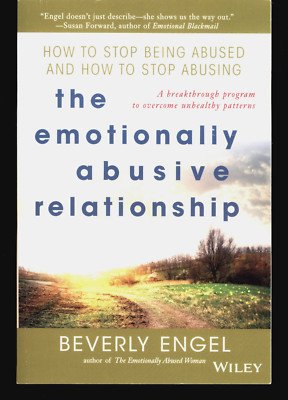
Recommended Reading: “The Emotionally Abusive Relationship: How to Stop Being Abused and How to Stop Abusing” by Beverly Engel addresses patterns like the silent treatment within the broader context of emotional abuse.
Breaking the Silent Treatment Cycle
If you’re on either end of silent treatment dynamics, there are ways to break the pattern, though it requires honesty, courage, and often professional support.
If You’re Receiving the Silent Treatment
First, understand that you cannot force someone to communicate with you. You can’t love them into changing this behavior. You can’t be perfect enough to prevent it. The power to stop the silent treatment lies entirely with the person choosing to enact it.
What you can control is your response. Stop chasing them, begging for engagement, or accepting unacceptable treatment just to end the uncomfortable silence. That might sound harsh when you’re desperate to restore connection, but pursuing someone who is actively withdrawing gives them exactly the power and control they’re seeking.
Instead, calmly state your boundary: “I understand you’re upset and need space. I’m willing to discuss this when you’re ready to have a conversation. In the meantime, I won’t participate in silence as punishment. Let me know when you want to talk.” Then actually disengage and focus on taking care of yourself.
This approach does two things. It offers an opening for healthy communication when they’re ready. And it removes their supply of your distress and pursuit, which often powers the silent treatment dynamic. Sometimes people stop using silence when they realize it no longer achieves the desired effect.
One friend used this exact strategy with her partner who regularly used three to four day silent treatments after any disagreement. The first time she calmly stated her boundary and then went about her life without chasing him, his silence lasted only 12 hours instead of days. He’d lost his audience for the punishment, which made it pointless to continue.
If You’re the One Going Silent
This requires painful honesty. Why do you shut down communication when you’re upset? What are you hoping to achieve? What would it feel like to express your feelings directly instead of withdrawing?
If the answer involves wanting your partner to suffer or understand how hurt you are through experiencing silence themselves, that’s emotional manipulation. If you’re trying to punish them into changing behavior, that’s control. Neither of these belongs in healthy relationships.
Learn and practice direct communication of your feelings. “I’m really hurt about what happened and I need some time alone to process before we discuss it. Can we talk in two hours?” That’s healthy space taking. Compare that to “Fine, whatever” followed by days of icy silence. The first preserves connection while allowing processing time. The second weaponizes silence to inflict pain.
Consider working with a therapist who can help you develop capacity for healthy emotional expression and conflict engagement. If you learned silence as a defense mechanism, you likely need support unlearning that pattern and building new skills.
Recommended Reading: “Nonviolent Communication: A Language of Life” by Marshall Rosenberg teaches direct, compassionate expression of feelings and needs without blame or manipulation.

When Both Partners Commit to Change
The most hopeful scenario involves both people recognizing the silent treatment pattern and committing to healthier communication. This usually requires couples therapy with someone skilled in communication patterns and conflict resolution.
A therapist can help you establish clear agreements about how to handle disagreements. For example, agreeing that anyone can call a timeout during heated moments, but timeouts are time limited (30 minutes to 24 hours maximum) and the person requesting space commits to resuming the conversation after that period.
You’ll practice expressing feelings without attacks and listening without defensiveness. You’ll learn to repair ruptures when they happen rather than letting silence create unbridgeable distance. This work is challenging but absolutely possible when both people genuinely want to create healthier patterns.
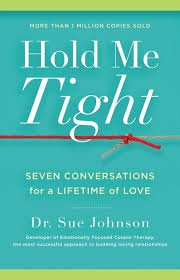
Recommended Reading: “Hold Me Tight: Seven Conversations for a Lifetime of Love” by Dr. Sue Johnson offers structured conversations for rebuilding emotional connection and breaking negative communication cycles.
Recognizing When the Relationship Can’t Be Saved
Sometimes, despite your best efforts, the silent treatment continues and the person enacting it shows no interest in changing. At that point, you need to make difficult decisions about whether this relationship serves your wellbeing.
Staying in a relationship characterized by regular Why men lose interest suddenly unraveling the hidden psychological triggers. Studies show that prolonged emotional rejection activates the same neural pathways as physical pain and can lead to anxiety, depression, and complex PTSD when the pattern is severe and ongoing.
Ask yourself these questions honestly. Has the pattern improved at all or gotten worse over time? Does your partner acknowledge the behavior is problematic or do they justify it? Are you changing fundamental parts of yourself to avoid triggering their silence? Do you feel constantly anxious about saying or doing something wrong? Has your self esteem deteriorated since this relationship began?
If you’re answering yes to most of these, leaving might be the healthiest choice even though it’s incredibly painful. You deserve a relationship where communication remains open even during conflict, where you’re not punished with emotional abandonment, where you feel safe being yourself.
I eventually ended that relationship where my partner used three days of silence as punishment for a forgotten reservation. It wasn’t just about that one incident. It was about recognizing a pattern that had happened repeatedly and showed no signs of changing despite multiple conversations about it. Leaving was hard, but staying was slowly destroying my mental health.
Also Read: Recognizing dating red flags when to walk away from a relationship
Building Communication Patterns That Create Intimacy
Let me show you what healthy conflict and communication actually looks like, because if you’ve been stuck in silent treatment dynamics, you might not have models for better approaches.
Calling Timeouts Without Abandoning Connection
Healthy relationships include moments when one or both people need to pause a difficult conversation to regulate emotions before continuing. The key difference from the silent treatment is the timeout is explicitly requested, time limited, and includes commitment to resume.
“I’m feeling overwhelmed and I need 30 minutes to calm down before we keep talking about this. Can we pick this up after I take a walk?” That maintains connection while allowing space. The other person knows they haven’t been abandoned. There’s a clear timeline. The issue will be addressed, just after some processing time.
Compare that to storming out and refusing to respond to texts or acknowledge your partner for three days. See how different those two approaches are? One preserves intimacy while allowing emotional regulation. The other damages intimacy by using withdrawal as punishment.
Expressing Anger Without Attacking or Withdrawing
You can be genuinely angry with your partner and still communicate that anger in ways that invite resolution rather than creating more damage. This requires practice if you’ve never seen it modeled, but it’s absolutely learnable.
“I’m really angry that you made plans without checking with me first. We’d discussed this being important family time and I feel like my needs don’t matter to you right now” is direct expression of anger without name calling, character attacks, or withdrawal. It clearly states the problem and the emotional impact without degrading your partner or shutting down communication.
This is so different from either exploding with personal attacks or going cold and silent. Both of those approaches make resolution impossible. Direct, honest expression of feelings opens the door to understanding and change.
Repairing Ruptures Quickly
All relationships involve moments of disconnection, misunderstanding, or hurt feelings. What distinguishes healthy relationships from unhealthy ones is how quickly and effectively partners repair those ruptures.
Repair might look like: “I said something hurtful earlier and I can see it landed badly. I’m sorry. Can we talk about it?” Or: “We had that tense moment this morning and I’ve been thinking about it all day. Are you okay? Can we reconnect?”
These repair attempts keep small ruptures from becoming huge chasms. They demonstrate that the relationship matters more than being right or holding onto anger. They maintain the emotional connection even through difficult moments.
The silent treatment does the opposite. It takes a rupture and deliberately makes it wider and deeper, using time and distance to inflict maximum pain. That’s not how you build intimacy. That’s how you destroy it.
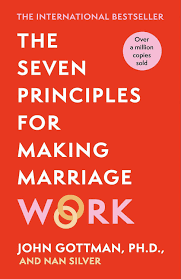
Recommended Reading: “The Seven Principles for Making Marriage Work” by Dr. John Gottman includes extensive research on repair attempts and what makes them effective in maintaining healthy relationships.
Taking Action to Change Your Relationship Dynamic
If you recognize silent treatment patterns in your relationship, here’s what you can do starting this week.
Name the pattern out loud. “What’s happening right now feels like the silent treatment and it’s really painful for me. Can we talk about better ways to handle conflict?” Bringing it into conscious awareness is the first step toward changing it.
If you’re the one using silence, commit to trying direct communication even though it feels uncomfortable. “I’m upset about [specific situation] and I need [specific thing]” is vulnerable but so much healthier than withdrawing all communication.
Set clear boundaries about what you will and won’t accept. “I’m willing to give you space when you need it, but I won’t accept being ignored for days as punishment. If that pattern continues, I’ll need to reconsider this relationship.”
Seek professional support. Individual therapy for whoever is using the silent treatment to understand why and develop better strategies. Couples therapy for both of you to rebuild communication patterns and address underlying issues.
Track patterns in a journal. When does the silent treatment happen? What triggers it? How long does it last? What ends it? This data helps you see the pattern clearly and determines whether things are improving over time.
Also Read: Exploring relationship goals deepening connection
Frequently Asked Questions About Silent Treatment in Relationships
Is the silent treatment a form of emotional abuse?
When used deliberately to punish, control, or manipulate a partner, yes, the silent treatment qualifies as emotional abuse. The key factors are intention and pattern. Occasionally needing quiet time to process emotions is normal and healthy. Repeatedly using prolonged silence to make your partner suffer or to avoid accountability for problematic behavior crosses into abuse territory. Research indicates that sustained silent treatment activates the same pain centers in the brain as physical injury, and when used as a consistent pattern, it causes psychological trauma similar to other forms of ongoing emotional abuse.
How long is too long for the silent treatment?
Any deliberate silence that extends beyond what’s necessary for emotional regulation (typically a few hours to 24 hours maximum) and that’s used as punishment rather than processing time is too long. Healthy timeouts include clear communication about needing space and commitment to resume the conversation after a specific, reasonable period. If someone is refusing all communication for multiple days or weeks, that’s not a timeout, that’s stonewalling and emotional abandonment. The length matters less than the intention, but generally anything over 24 hours without any communication about when you’ll reconnect is unhealthy.
What should I do when my partner gives me the silent treatment?
First, clearly state that you’re willing to discuss the issue when they’re ready but you won’t chase them or beg for communication. Then actually disengage and focus on self care instead of pursuing them. This removes the power dynamic that fuels silent treatment. If the pattern continues despite your boundary setting, consider whether this relationship is healthy for you. You can’t force someone to communicate, but you can decide whether you’re willing to stay in a relationship characterized by emotional withdrawal and punishment. Seeking individual or couples therapy can provide support and strategies for either changing the pattern or ending the relationship if change proves impossible.
Can a relationship recover from repeated silent treatment?
Recovery is possible but only if both people recognize the pattern is problematic and actively work to change it, usually with professional support. The person using silent treatment must develop awareness of why they do it and learn healthier communication strategies. The person receiving it must establish and maintain boundaries instead of accepting unacceptable treatment. Both need to practice repair, direct communication, and rebuilding trust. However, if the person using silent treatment refuses to acknowledge it’s a problem or makes no genuine effort to change, recovery becomes unlikely and staying in the relationship may cause ongoing psychological harm.
Why does the silent treatment hurt so much emotionally?
Neuroscience research shows that social rejection and exclusion activate the same brain regions that process physical pain, specifically the anterior cingulate cortex and insula. When someone you love deliberately ignores you, your brain interprets it as a threat to survival because humans are wired for connection and belonging. The silent treatment triggers primal fears of abandonment and social death. Additionally, it creates psychological distress through uncertainty (you don’t know when it will end), powerlessness (you can’t resolve it), and threats to self worth (it makes you feel unworthy of basic acknowledgment). The combination of neurological pain processing and psychological distress explains why silent treatment feels so devastating and can cause symptoms including anxiety, depression, and trauma responses.






Comments 3