

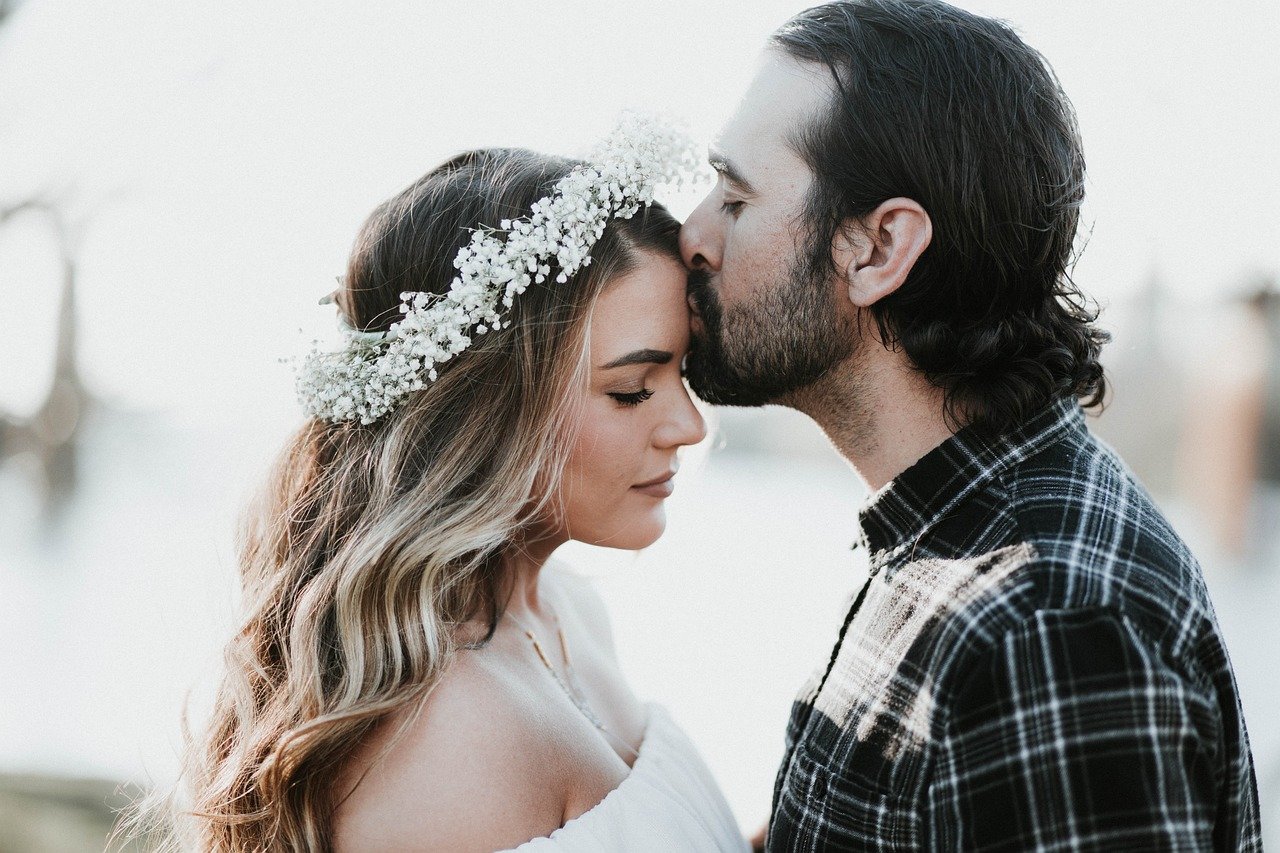
Expressions of the Heart: Unveiling Intimate Love Letters
In the age of digital communication, where texts, emails, and instant messaging dominate, the art of writing love letters stands as a poignant testament to the power of personal expression. Love letters, those intimate exchanges of the heart, have a unique capacity to capture emotions in their rawest and most vulnerable form. This article delves into the captivating world of love letters, exploring their history, significance, and how they continue to resonate in our lives today.
The Historical Significance of Love Letters
Historically, love letters have played a crucial role in personal relationships, serving as a private means to express feelings of love, commitment, and affection. From the passionate correspondences between poets Elizabeth Barrett and Robert Browning to the tender letters sent between soldiers and their loved ones during times of war, these writings provide a window into the depths of human emotion and connection.
These letters were not just communications; they were poignant expressions of love that often transcended the immediate confines of their circumstances. The inclusion of poetic expressions, intimate nicknames, and deeply personal stories in these letters has made them timeless artifacts that continue to be studied and cherished.
Why Do Love Letters Have Such Enduring Appeal?
The allure of love letters can be attributed to their deeply personal nature. Unlike modern digital communications, love letters carry a tangible sense of the writer’s presence. The handwriting, choice of words, and even the paper and perfume used encapsulate a part of the individual’s essence, rendering each letter a unique piece of the relational mosaic.
Moreover, love letters often reveal a level of vulnerability that is sometimes hard to achieve in face-to-face interactions. They allow writers to articulate their deepest fears, hopes, and desires without immediate repercussions, providing a safe space for true expressions of feelings.
The Art and Craft of Writing Love Letters
Writing a love letter is an art form that combines eloquence, sincerity, and emotion. The key to penning a heartfelt letter lies in authenticity; it’s about expressing your true feelings in a way that resonates with the reader. Here are a few tips for crafting a memorable love letter:
- Start with why: Begin by explaining why you felt compelled to write the letter. This sets the tone and context for your sentiments.
- Be genuine: Let your guard down and express your feelings without fear of judgment. Honest communication strengthens connections.
- Recall special moments: Mention specific memories that hold special meaning. This personal touch can evoke shared feelings and deepen the emotional impact of your words.
- Speak from the heart: Avoid clichés and don’t worry too much about poetic flair. The sincerity of your words matters more than their elegance.
Examples of Effective Love Letters
Consider some historical examples for inspiration. The intense love letters of Napoleon Bonaparte to his Josephine and the wistful notes from Oscar Wilde during his imprisonment offer profound insights into the form. These writings are celebrated not merely for their historical importance but for their raw emotional power and literary beauty.
Modern Love Letters: Keeping the Tradition Alive
In the digital era, the tradition of writing love letters has evolved but not diminished. Current technology offers myriad ways for love letters to be crafted and delivered. Here’s how people are keeping this romantic tradition alive:
- Emails: Though less personal than handwritten notes, emails allow for immediate and thoughtful expressions of love that can still convey deep emotions.
- Video messages: Some choose to record themselves reading their letters, combining traditional and modern modes of communication.
- Handwritten letters: Many still prefer the classic approach for its personal touch and the excitement of receiving physical mail.
Conclusion: The Timeless Charm of Love Letters
Despite the changes brought by technology, the essence of love letters remains the same: to convey deep, personal feelings in a memento that can be cherished forever. Love letters renew our faith in the capacity of words to express the inexpressible and remind us that, in a fast-paced digital world, taking time to write thoughtfully about our deepest emotions is a revolutionary act.
Whether they are penned on scented paper or typed into an email, these expressions of the heart continue to teach, inspire, and guide us in our relationships. Indeed, the influence and allure of love letters are truly timeless.
Frequently Asked Questions About Love Letters
Are love letters still relevant today?
Yes, in an age of fleeting digital messages, love letters offer a meaningful and enduring way of communicating deep personal emotions and building stronger connections.
How do I write a love letter?
Focus on being honest and expressing your true feelings. Mention specific experiences that have brought you closer, and articulate your emotions vividly and sincerely.
Should I worry about my handwriting or grammar in a love letter?
While clarity in your writing can enhance the reading experience, the most important element is the genuineness of your words. Imperfections can even add a touch of authenticity and charm.
By embracing the art of love letter writing, not only do you keep a beautiful tradition alive, but you also open a door to deeper, more personal connections.